“Unisex” PPE Doesn’t Fit Everyone: Why Women’s Fit PPE is the Bare Minimum
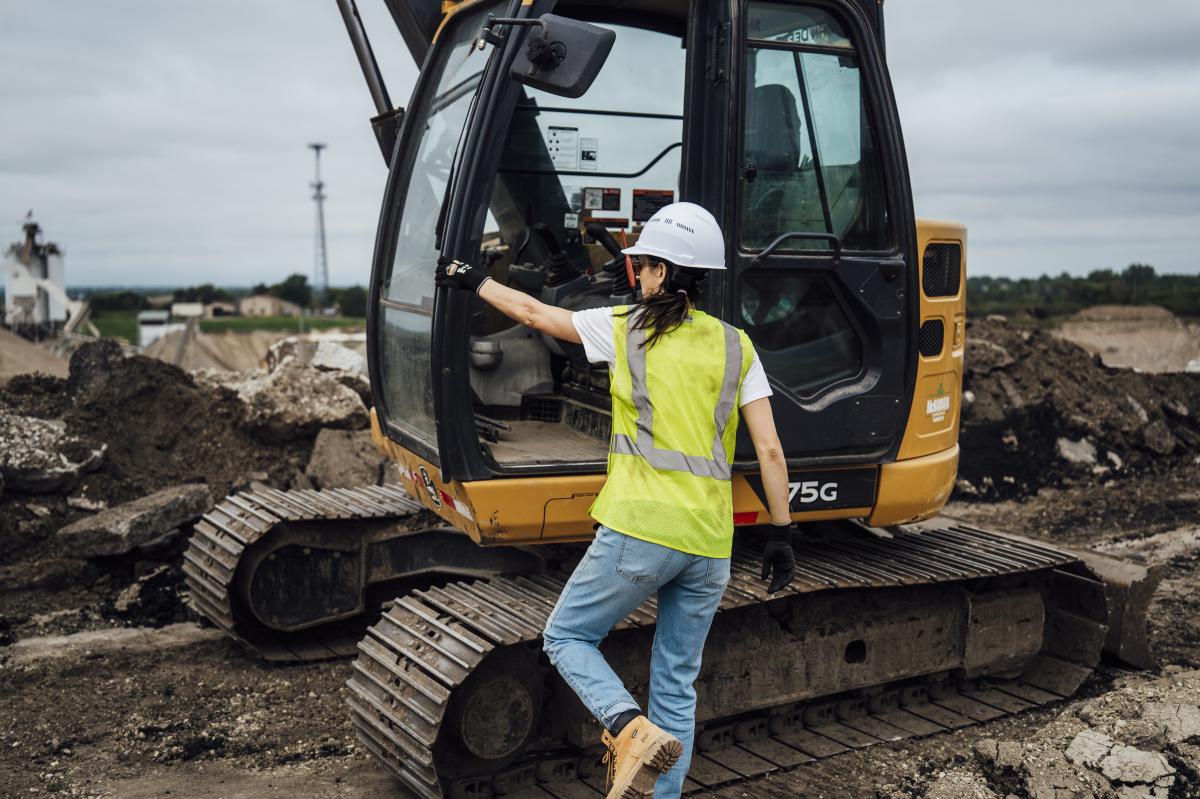
They call PPE the last line of defense. Funny, because for many—especially women—it often ends up defecting to the other side, with poor fit causing as many safety issues as it prevents.
As more women break barriers and step into industrial roles, from construction sites to energy plants, the landscape of traditionally male-dominated industries is changing. With this progress comes an increased focus on workplace safety and finding PPE that fits properly, regardless of gender.
Why Women Need PPE Designed For Them
One-Size-Fits-Who, Exactly?
Ensuring your PPE fits well is more than a fashion concern. Ill-fitting PPE puts women at a real risk. Loose gear means a higher change of snags, tangles and trip hazards. 74% of tradeswomen are exposed to unnecessary hazards due to poor-fitting PPE, according to the International Safety Equipment Association (ISEA), referencing data from CPRW - The Center for Construction Research and Training (CPWR).
Gear that does not fit correctly does not protect correctly. Most “unisex” PPE is designed around male body proportions, with broader shoulders, longer limbs and bigger hands and feet.
Women trying to make that work are left with PPE that actively fights against its very purpose.
Comfort vs. Compliance
When your PPE feels like an inconvenience, you’re less likely to wear it correctly or wear it at all. Workers start unzipping hi-vis vests, rolling up sleeves or ditching gloves just to get through the day. When the PPE starts coming off, the final line of defense between workers and potential injury is non-existent. Workers are much more vulnerable to dangers around them when their PPE is not being worn correctly, or has been removed completely.
It is crucial that PPE is created with a commitment to fit and comfort so that it is more natural for the workers to wear it.
We’re Not All Built the Same, and That’s the Point
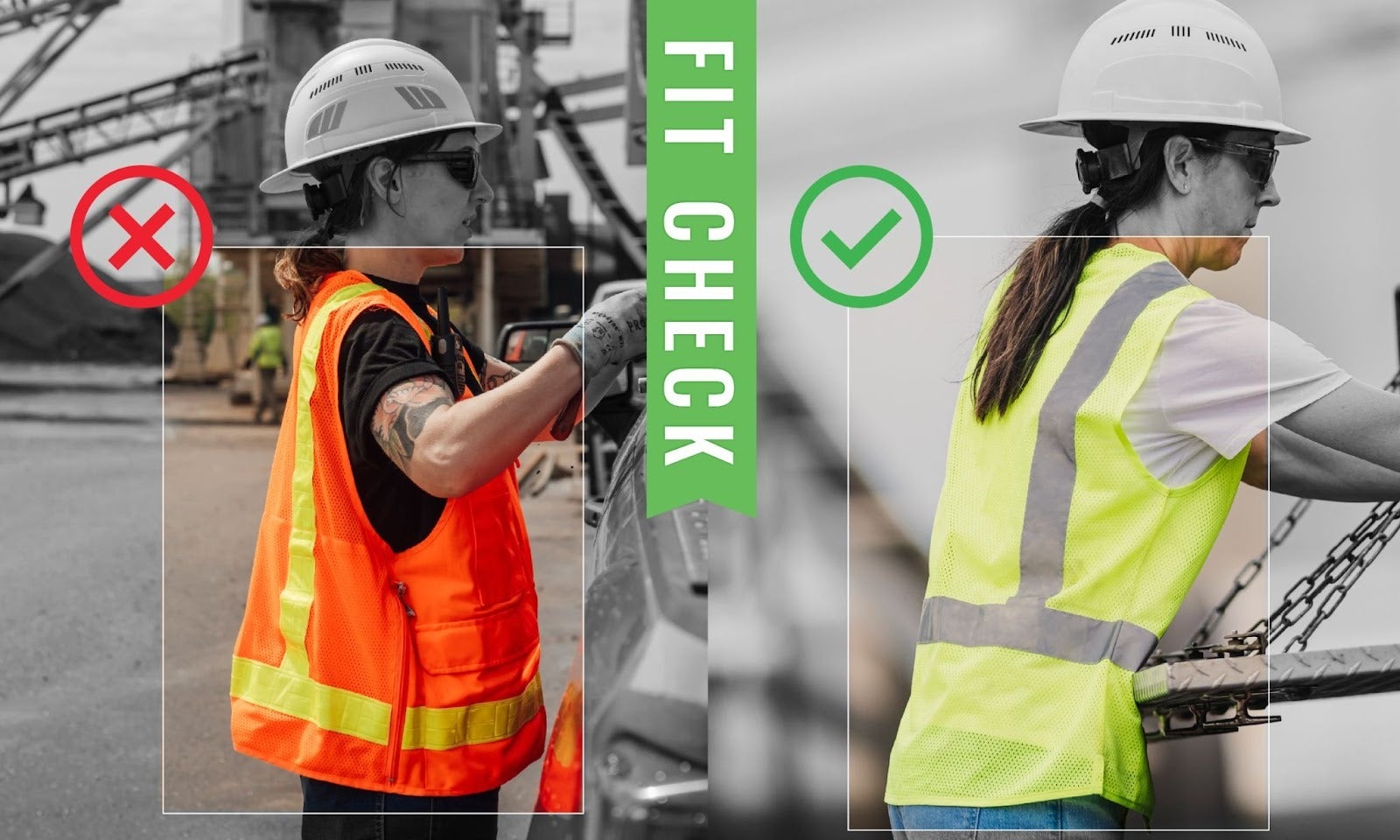
“Women are not small men,” said longtime safety professional and advocate Abby Ferri in an interview with the American Society of Safety Professionals (ASSP). PPE should be designed with this in mind by accommodating the differences in their body shape (like wider hips and narrower shoulders) instead of shrinking designs based on the male body and forcing the largest growing group in the trades to “make it work.”
What Happens When PPE Doesn’t Fit?
- Discomfort Leads to Non-Compliance: Workers skip or misuse PPE that doesn’t feel right. Think unzipped vests, removed gloves and rolled-up sleeves. These adjustments make workers more vulnerable to their surroundings, leaving them more prone to injuries and accidents.
- Restricted Movement Means Higher Risk: Bulky gear can make even simple tasks awkward, upping the chance of accidents. PPE should be designed to work alongside the wearer, not be an obstacle they need to overcome in order to complete their tasks. When clothes don’t fit properly, the chances of injuries are significantly increased.
- Fatigue, Distraction and Frustration: Sweaty, itchy or oversized gear makes it hard to focus. And when your mind is thinking about your vest bothering you instead of the work at hand, accidents and injuries are more probable.
The Benefits of Inclusive PPE
Safety First, and for Real
Workers are much more protected when their gear fits. That means fewer injuries, better compliance and fewer concerns for safety managers.
Recruitment and Retention Win
Want to attract more skilled women to your team and keep them there? Show them you actually care about their safety and comfort while working. Providing gender-specific PPE sends a clear message to female workers, letting them know that they belong here, and are recognized as crucial members of the workforce.
Productivity Boost
Comfortable workers means focused workers. When PPE isn’t a constant distraction, people can concentrate on the task at hand without needing to adjust their clothing every other minute.
Notes from the Department Of Labor and OSHA
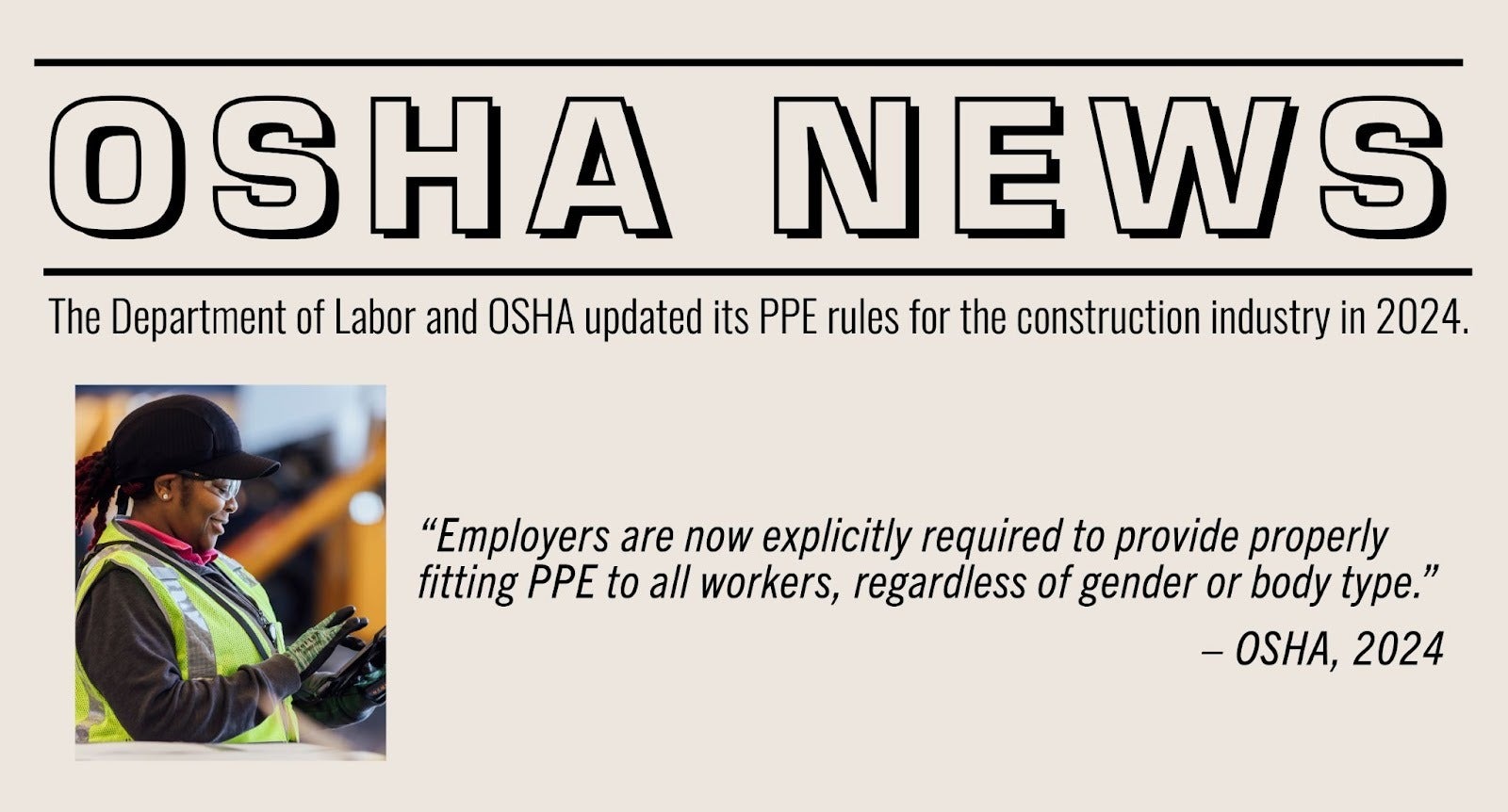
The Department of Labor and OSHA updated its PPE rules for the construction industry in 2024. Employers are now explicitly required to provide properly fitting PPE to all workers, regardless of gender or body type. So, not only is inclusive PPE a good idea, but now, it’s the law.
Women’s PPE, the Ergodyne Way
Through dozens of jobsite visits and hands-on try-on sessions, Ergodyne Product Manager Kris Wolle-Wayne set out to do something revolutionary: actually listen to what women want from their PPE.
“We just want to look like everyone else but have it fit us better,” said one worker to Kris during one of her early-stage field visits.
The message was clear. Women on the job weren’t asking for fitted silhouettes or flashy designs, they simply wanted functional, well-fitting gear that let them blend in and get the job done. Not tighter. Not pinker. Just equal, safe and comfortable.
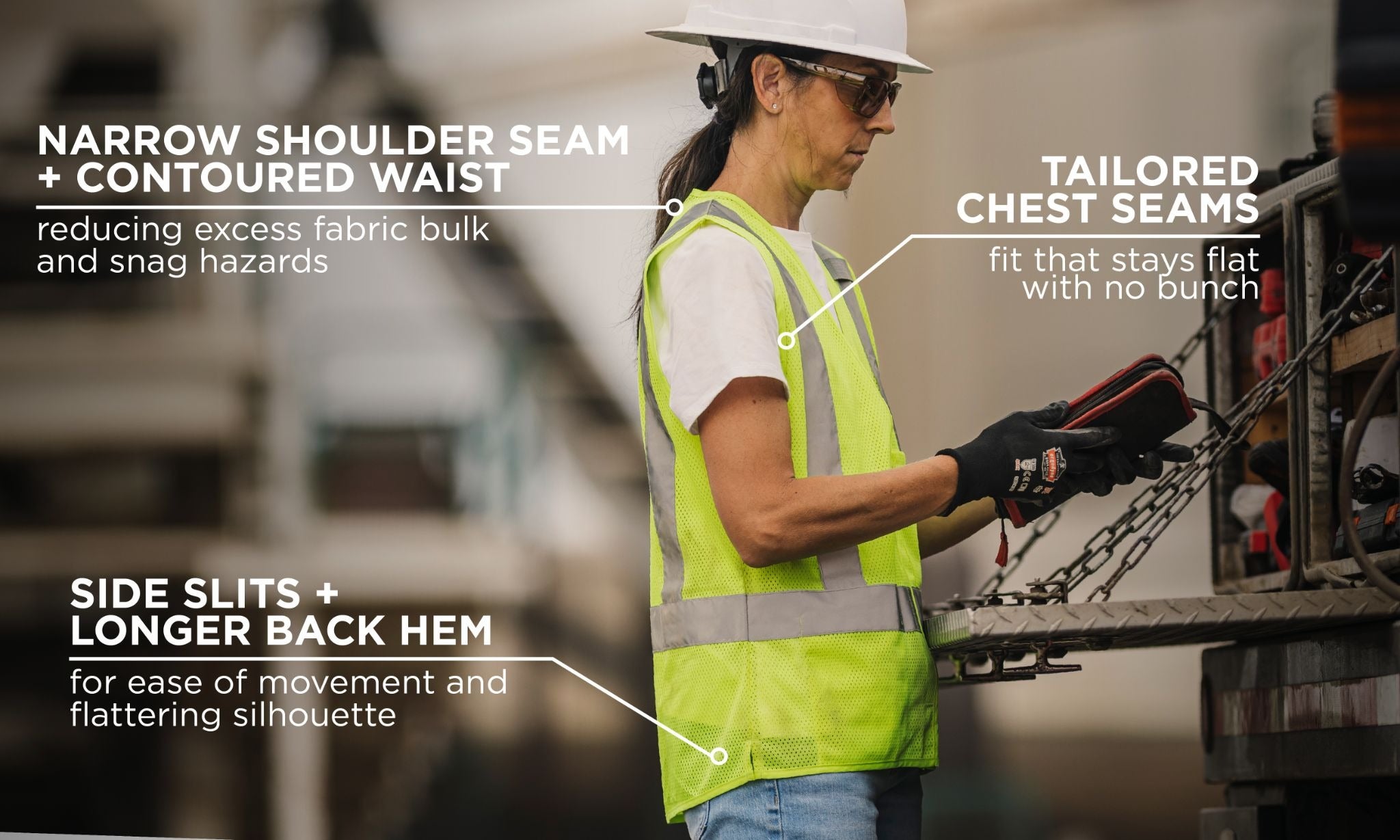
That’s exactly what Ergodyne’s new women’s hi-vis line delivers. T-shirts, sweatshirts and vests designed to fit the female form without making women feel like outliers on the crew.
Fixing the PPE Problem
Manufacturers Are Waking Up
Some brands, including Ergodyne, are stepping up, designing PPE specifically for women, with better fits, flexible materials and inclusive size ranges. This is the first step to creating a new normal on job sites, one where every employee has PPE that fits and properly protects.
Employers: The Ball's in Your Court
Companies and safety managers need to take a hard look at the gear they are providing their crews with and ask: “Does this actually fit my team?” If the answer is no, it’s time to update those catalogs. There is no longer an excuse to not give your workers the proper equipment they need to stay safe.
Advocacy Matters
Organizations and safety leaders are demanding that women’s safety not be an afterthought. Supporting brands that see the importance in creating women’s fit PPE sends a message to manufacturers worldwide, letting them know that your vote, and your money, will stand behind brands that align with the inclusivity that is necessary both for protection and for ethics. The more we talk about it, the more momentum we build.
Ready to Upgrade Your Gear?
Safety gear should be designed for the real, diverse workforce that’s out there getting the job done, including women. It’s time to stop asking women to “make it work” with PPE that wasn’t made for them in the first place.
Because when it comes to PPE, “close enough” isn’t safe enough.
Check out the new collection of women’s high-visibility shirts, vests and sweatshirts here.
FAQ
Because “shrinking it down” doesn’t solve the real safety risks. Women’s bodies have different proportions: narrower shoulders, shorter or longer torso lengths, different hip-to-waist ratios. That means men’s PPE often hangs loose, bunches up, restricts movement, or leaves gaps. Poor fit reduces protection, increases snag and trip hazards, and forces workers to modify gear in unsafe ways. Purpose-built women’s PPE restores mobility, comfort, and—most importantly—keeps the protective features actually where they’re supposed to be.
Ill-fitting PPE can create hazards instead of preventing them. Loose sleeves or oversized vests can get caught in equipment. Gloves that are too big reduce grip strength and tactile control. Hard hats that don’t sit securely can shift during overhead work. Across the board, poor fit leads to more adjustments, more distractions, and more opportunities for something to go wrong. Proper fit reduces exposure to struck-by, caught-in, thermal, and ergonomic risks.
When PPE fits correctly, workers can actually work—reach, climb, carry, bend, and grip—without fighting their gear. Women who wear PPE designed around their biomechanics report fewer pressure points, fewer slip-offs, better temperature regulation, and better freedom of movement. Increased comfort translates into fewer workarounds, better compliance, and improved focus on the task rather than the equipment.
Focus on two things: coverage and movement. Does the garment or equipment stay in place during full range of motion? Does it maintain protective performance without gapping or riding up? Look for adjustable features, inclusive sizing, ergonomic patterning, narrower shoulder profiles, and contoured waist shaping. And most importantly—get feedback from the workers who will wear it. Fit testing with real end users will catch issues early.
Loose clothing is one of the most common caught-in hazards on job sites and shop floors. Rotating shafts, conveyors, drills, fans, and other moving parts can grab fabric faster than a worker can react. Once entangled, injuries escalate quickly—pulling a hand, arm, or entire body into the machine. Close-fitting clothing reduces extra material that can snag or wrap around moving parts. It keeps cuffs, hems, and loose layers controlled, dramatically lowering the risk of entanglement.