
Heat Stress: Who’s Most at Risk and What Puts Them There
Working in the heat has always been part of the job. What’s changing is how dangerous that heat has become.
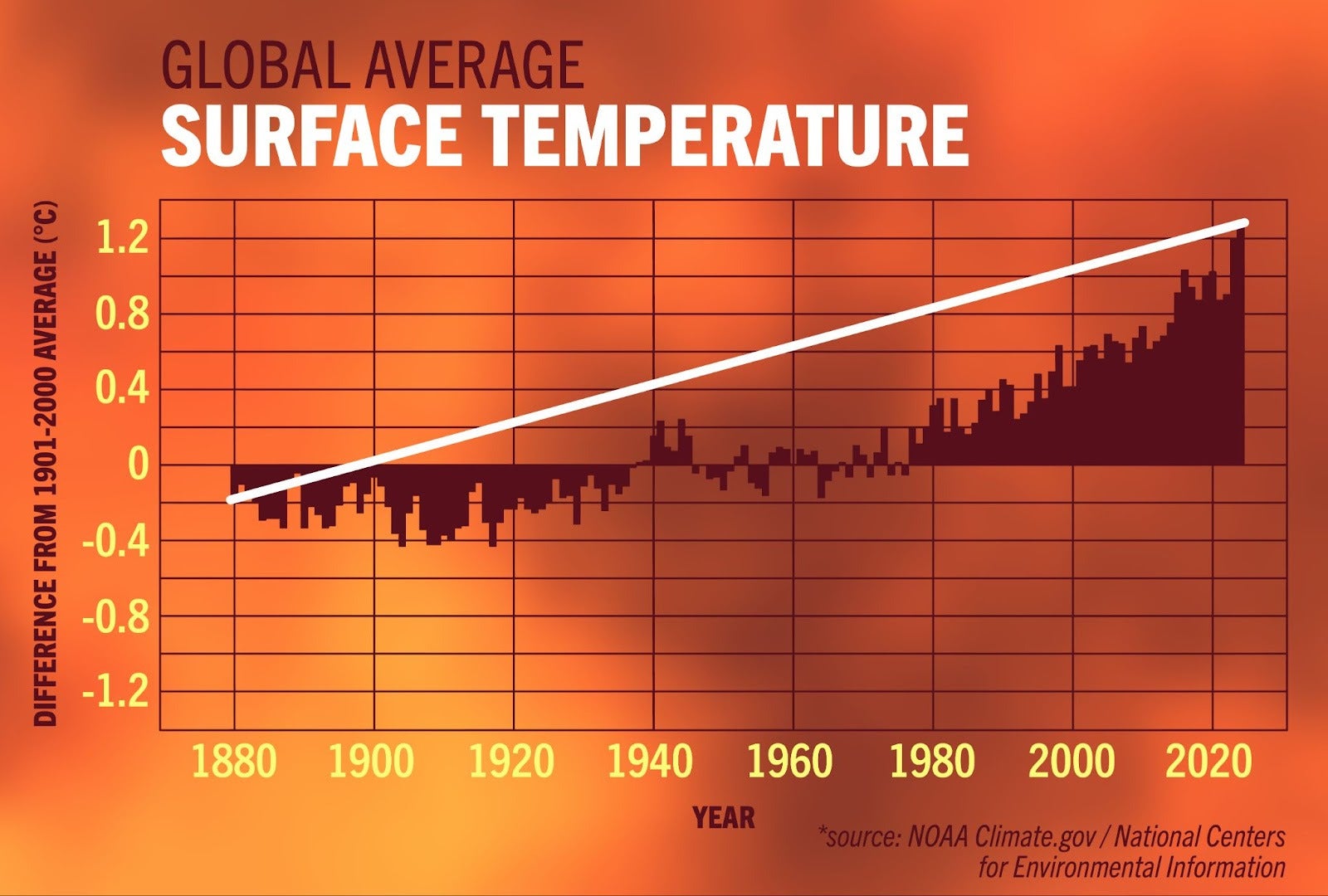
As global temperatures continue to rise, heat stress is becoming an increasingly urgent issue affecting human health, workplace safety and overall well-being. Heat stress occurs when the body is unable to regulate its internal temperature effectively, leading to a range of heat-related illnesses such as heat exhaustion and heat stroke. This can happen when individuals are exposed to high temperatures, high humidity, physical exertion or a combination of these factors, overwhelming the body’s natural cooling mechanisms.
As heat events become more common, understanding what heat stress is, how it develops, why it poses a serious threat and who is most at risk is essential for protecting health, improving safety practices and building resilience in a warming world.
Understanding Heat Stress
Heat stress begins when the body’s means of controlling its internal temperature start to fail, causing its core temperature to rise. When the temperature of the body gets too high for the natural cooling systems to work, it can lead to heat-related illnesses. Once body temperature reaches 99.7°F (37.6°C), the body is already being affected, and severe illness can occur if it rises to 104°F (40°C).
While heat-related illnesses range in severity, it is important that when early warning signs begin to show, actions are taken to reduce the core temperature of the body and prevent the damage from progressing.
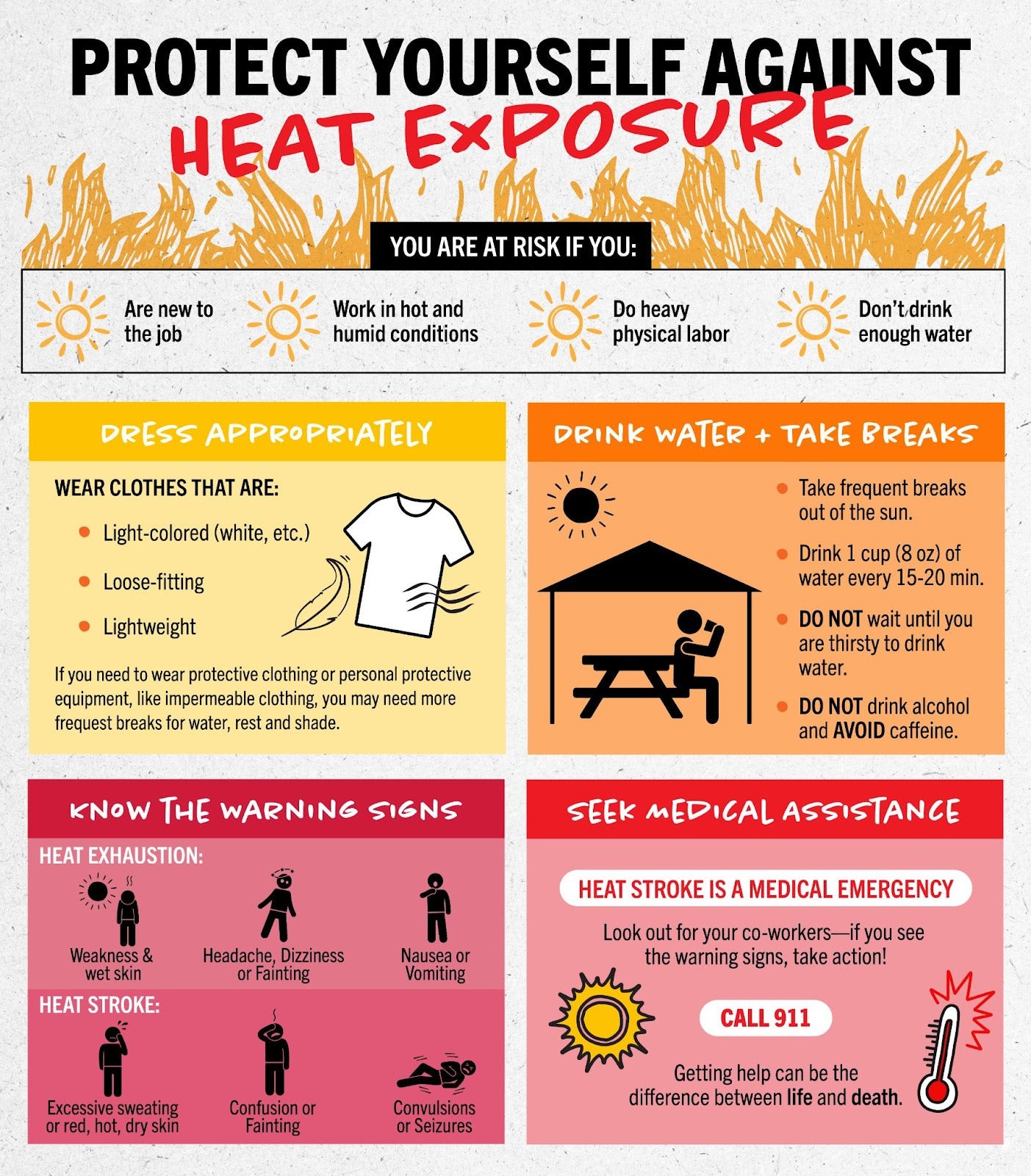
Some common types of heat-related illness, the symptoms to watch out for and treatment options include:
Heat Rash
- Cause: Sweat gets trapped under the skin because the sweat glands are blocked.
- Symptoms: Irritated skins with red bumps, itchiness and stinging skin.
- Treatment: Keep the affected area dry and take a break in a cool environment.
Heat Cramps
- Cause: Losing too much salt and water through heavy sweating.
- Symptoms: Painful muscle spasms and tightness.
- Treatment: Move to a shaded or air-conditioned spot, cool the muscles and drink plenty of fluids.
Heat Exhaustion
- Cause: Extended exposure to hot conditions combined with inadequate hydration.
- Symptoms: Heavy sweating, fatigue, weakness, vomiting, headaches and dizziness
- Treatment: Rest in a cool area, apply cooling measures, drink fluids and monitor for worsening symptoms.
Heat Stroke
- Cause: Prolonged exposure to high temperatures coupled with poor hydration.
- Symptoms: High body temperature, confusion, slurred words and loss of consciousness.
- Treatment: Get medical help immediately. This is an emergency.
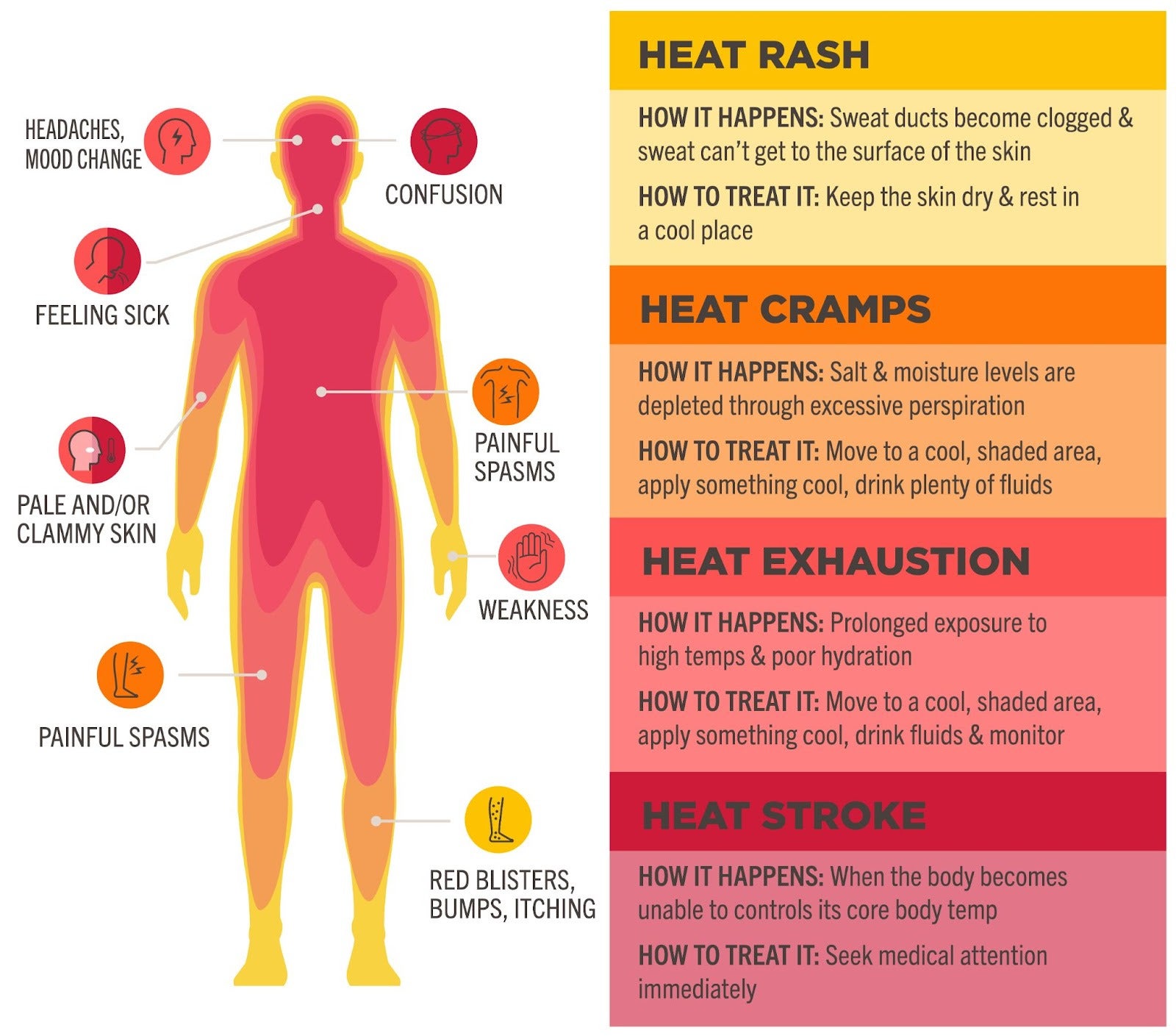
If you notice any of these symptoms on the job, act immediately. Watch for yourself or coworkers showing signs like slurred speech, dizziness, nausea or paleness. At the first sign, get out of the heat, rest in the shade and hydrate. According to the National Library of Medicine, heat stress is the leading weather-related killer worldwide. Once it sets in, immediate action is critical to protect the body and prevent serious injury or death.
Who is Most at Risk for Heat Stress
Heat stress can affect anyone, but certain groups face a higher risk of both developing heat stress and experiencing severe complications. The Centers for Disease Control and Prevention (CDC) identifies these groups, explains why they are more susceptible and highlights the importance of recognizing these risk factors in yourself. Understanding your own vulnerability allows you to take proactive steps to protect your health and prevent serious injury or death.
Older Adults
Older adults are at a higher risk for heat stress because their bodies are less able to regulate internal temperature. Age-related changes can make it harder to cool down through sweating or increased blood flow to the skin. Many older adults also manage chronic health conditions and take medications that can interfere with the body’s natural response to heat.
Outdoor Workers
Workers who spend long hours outside are at a high risk for heat stress. Constant exposure to the sun and high temperatures, combined with physically demanding tasks, puts a serious strain on the body. The risk is even higher when shade, rest breaks or water aren’t readily available. On the job, it’s crucial for outdoor crews to rotate tasks when possible, take regular breaks in the shade and stay properly hydrated to prevent heat-related illness.
People with Chronic Medical Conditions
Workers with chronic health conditions, such as heart disease, respiratory issues, diabetes or obesity, are at greater risk for heat stress. These conditions can reduce the body’s ability to handle high temperatures, making it harder to stay cool during physically demanding work. On the job, it’s important for these workers to monitor themselves closely, take extra precautions in the heat and make sure supervisors are aware so breaks, shade and hydration are prioritized.
Individuals Taking Certain Medications
Some medications, like diuretics, blood pressure medicines, antihistamines or antidepressants, can make it harder for the body to stay cool in the heat. These drugs can interfere with hydration, reduce sweating or affect circulation, all of which increase the risk of heat stress. On the job, it’s important for workers taking these medications to stay extra alert for warning signs, take regular breaks in the shade, drink plenty of fluids and let supervisors know if they feel unwell.
Individuals with Prior Heat-Related Illness
Individuals who have experienced a heat-related illness in the past are more likely to experience it again. According to Outside Magazine, this increased risk exists because the vulnerability or condition that contributed to the initial heat stress is often still present. Whether the cause was poor hydration, prolonged heat exposure without sufficient breaks or exhaustion, it is essential for individuals to recognize the factors that led to their initial heat-related illness and take steps to reduce the likelihood of it happening again. Individuals who have had a prior incident can also have permanent effects due to their thermoregulation mechanisms being permanently damaged, meaning it is possible that they are unable to regulate their body temperature.
Environmental and Situational Risk Factors
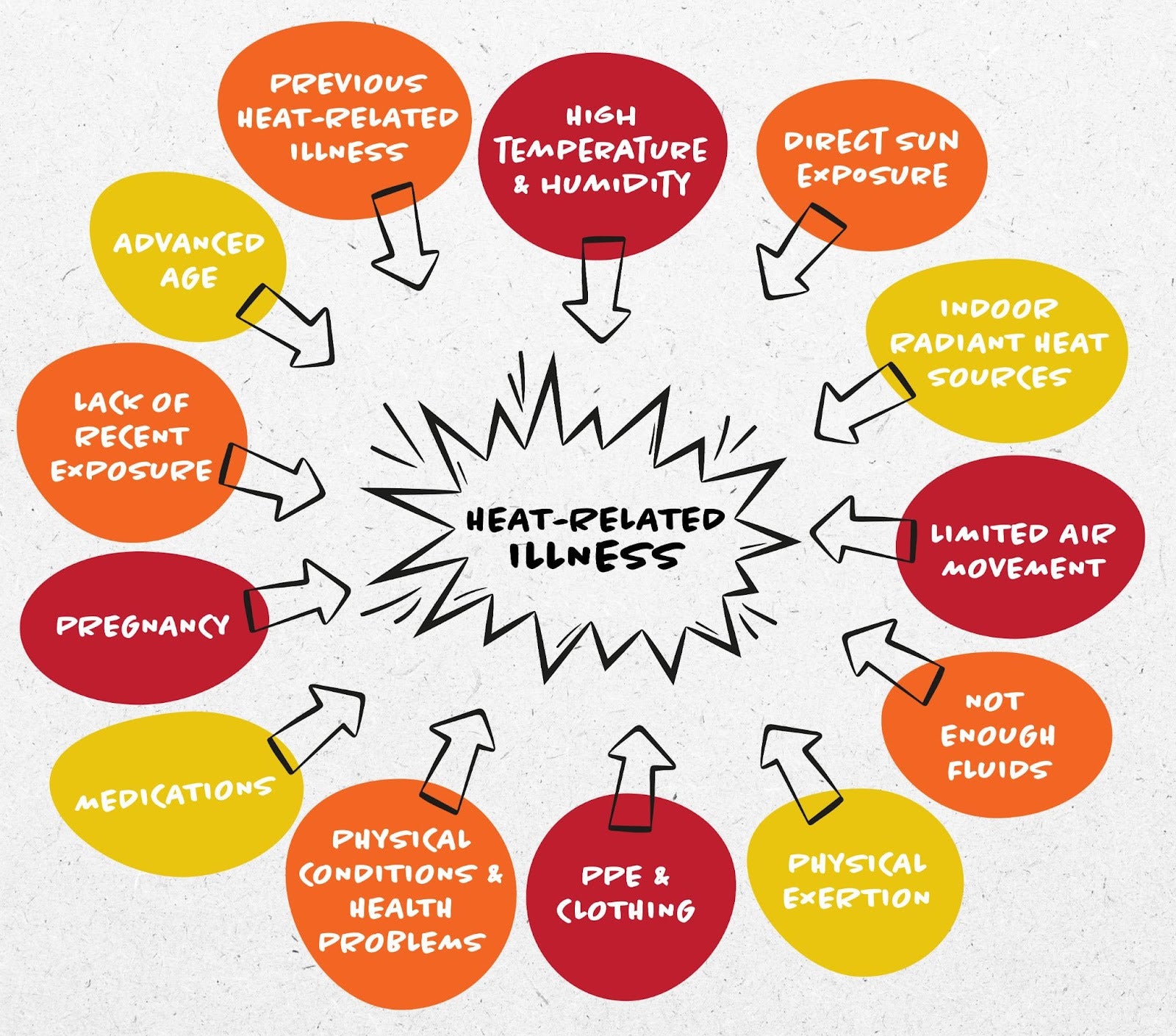
According to the Occupational Health and Safety Administration (OSHA), there are two heat sources that contribute to the risk of heat-related illnesses. Environmental heat comes from the surrounding air and conditions, while metabolic, or personal, heat is produced by the body itself, varies based on the individual and rises with physical activity or workload.
Certain environmental factors can increase the risk of heat stress, putting even healthy workers with no other risk factors in danger.
High humidity and poor airflow make it harder for the body to cool itself through sweating. Heat waves and extreme weather events push temperatures to dangerous levels, increasing the strain on the body. Poor hydration and not taking enough breaks prevent the body from recovering from heat exposure. Even protective clothing or safety gear can trap heat, making it harder to stay cool.
On the job, recognizing these factors and planning accordingly by taking breaks, staying hydrated and rotating tasks, can help prevent serious heat-related illness.
Prevention and Risk Reducing Tips
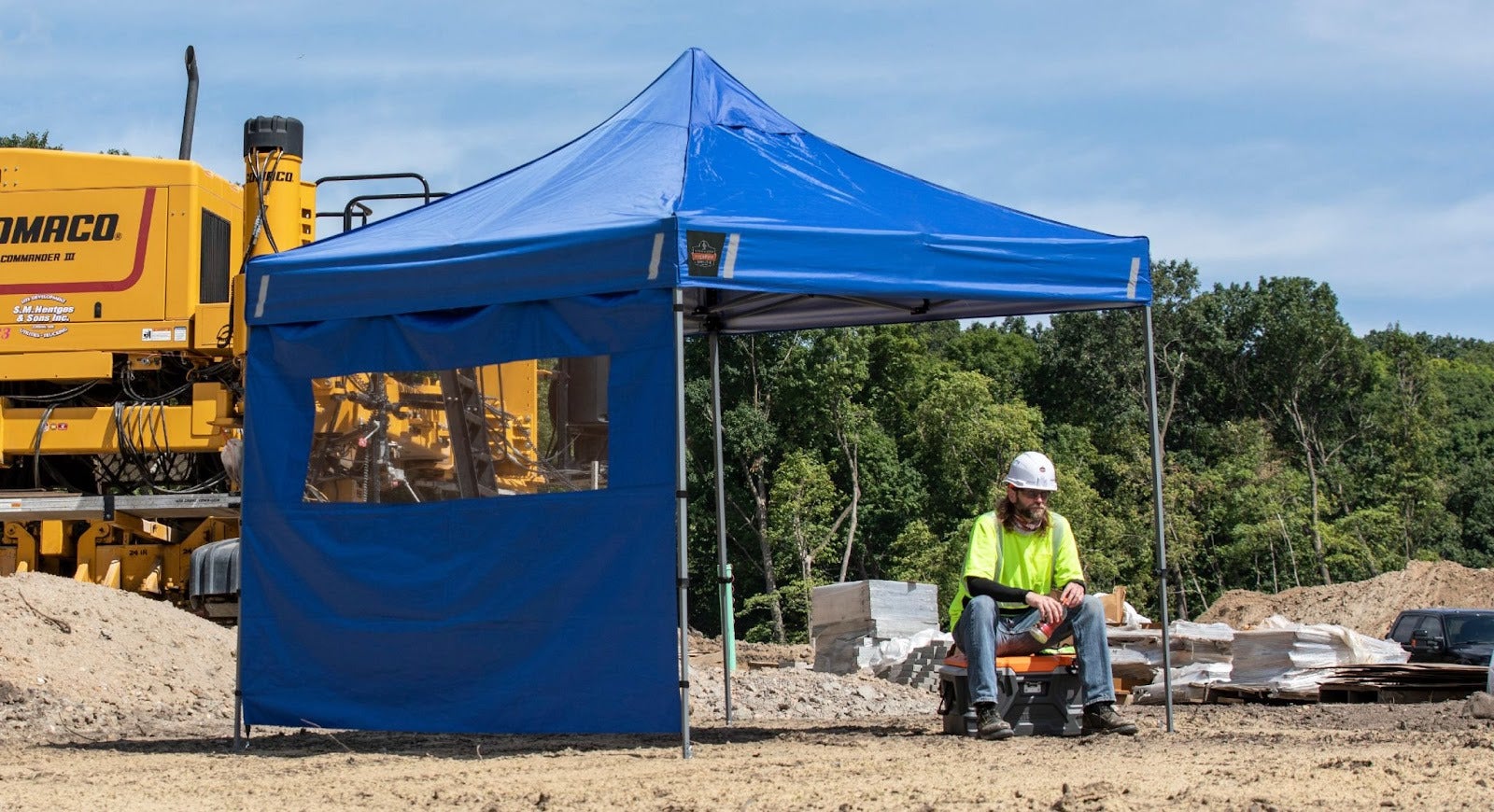
While many environmental factors that contribute to heat stress are out of our immediate control, workers and safety managers can take clear steps to reduce risk. Staying hydrated, taking regular breaks, seeking shade and watching out for coworkers all make a huge difference on a jobsite.
It is essential to have preventative measures and emergency response procedures in place on the jobsite and to ensure that they are clearly communicated to every worker.
Heat stress is an inevitable risk on jobsites, but when every person knows how to recognize the warning signs and respond quickly, the risk of severe injury or death can be greatly reduced. Consistent training, clear communication and a shared understanding of safety protocols are key to keeping everyone on the jobsite safe.
Conclusion
The threat of heat stress is going to continue to rise for everyone. Knowing the early signs of heat-related illness is crucial to stopping it before damage progresses.
Older individuals, those with chronic illness, those taking certain medications and outdoor workers are at a higher risk for heat stress. These individuals should take extra precautions to protect themselves from the rising temperatures around them.
Awareness, preparation and a proactive approach are essential to reducing risk and keeping everyone safe. By staying informed and paying attention to the conditions around you, individuals and teams can respond effectively to extreme heat and help prevent serious harm.
Ultimately, understanding the dangers and acting responsibly ensures that workers stay protected and healthy on the job.
Learn more about the risk of heat stress and how to respond here.
Heat exhaustion can build over several days of heat exposure (especially if you’re not acclimatized and/or not replacing fluids/electrolytes), but it can also come on during a single hot shift when exertion and heat/humidity outpace your body’s ability to cool itself.
Heat exhaustion commonly feels like a “whole-body warning light,” including heavy sweating, weakness/fatigue, headache, dizziness/lightheadedness, nausea/vomiting, muscle cramps, and a fast pulse; skin may feel cool/clammy in some cases.
There isn’t one single air temperature where heat stroke “starts.” Heat stroke is typically defined by a dangerously high core body temperature (about 104°F / 40°C or higher) plus symptoms like confusion or altered mental status. In severe cases, core temperature can rise very quickly (sometimes to ~106°F+ within 10–15 minutes).
Heat stroke is when the body’s cooling system fails and core temperature rises rapidly, which can cause a medical emergency such as brain dysfunction (confusion, seizures, coma) and damage to vital organs.