Getting Your Head Around the New ANSI Z89.1-2026 Safety Helmet Standard
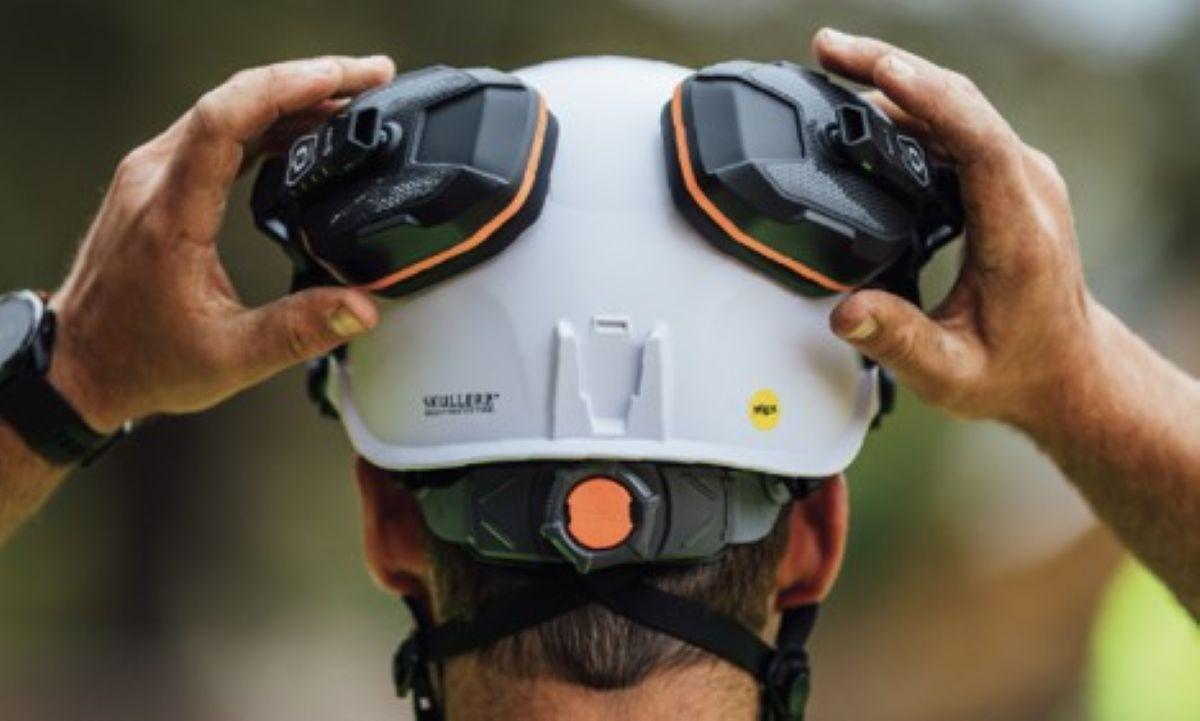
ANSI head protection standards have long been the industry benchmark for head protection. But as work environments, helmet designs and our understanding of workplace hazards continue to evolve, the standard has evolved along with them.
Why Was the Safety Helmet Standard Updated?
ANSI/ISEA standards are periodically reviewed to account for changes in technology, materials, test methods, user needs and how products are being used in real-world scenarios.
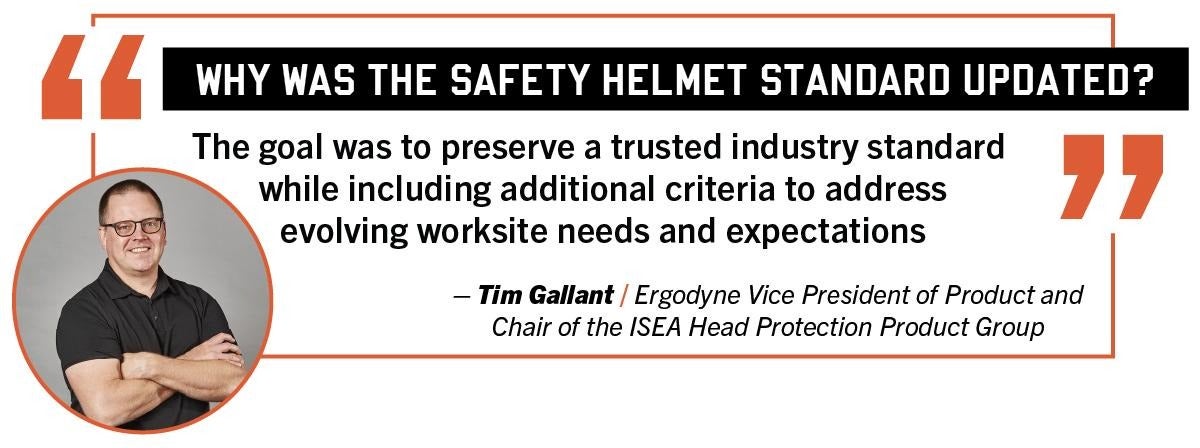
Tim Gallant, Ergodyne Vice President of Product and Chair of the ISEA Head Protection Product Group that drove the revision, had this to say, “The goal was to preserve a trusted industry standard while including additional criteria to address evolving worksite needs and expectations.”
That’s an important distinction. The revision to ANSI hard hat standards isn’t simply about changing helmet styles. The update gives safety teams a clearer, more standardized method for matching the right head protection with the real-world hazards people face every day.
STRAP IN: the new SAFETY HELMET STANDARD is here
It seems one part of the recent update has everyone’s chin wagging—CHIN STRAPS! But there’s a lot more to it than that. The newly published ANSI/ISEA Z89.1-2026 standard maintains familiar Type 1 and Type 2 classifications, but with a few added pluses: Type 1+ and Type 2+.
These new designations include expanded requirements for retention and (for Type I+ only) off-center impacts. So a Type 1 or Type 2 helmet with a chin strap isn’t automatically given the “+” rating. To carry that designation, hard hats and helmets must meet the additional performance requirements established by the updated standard.
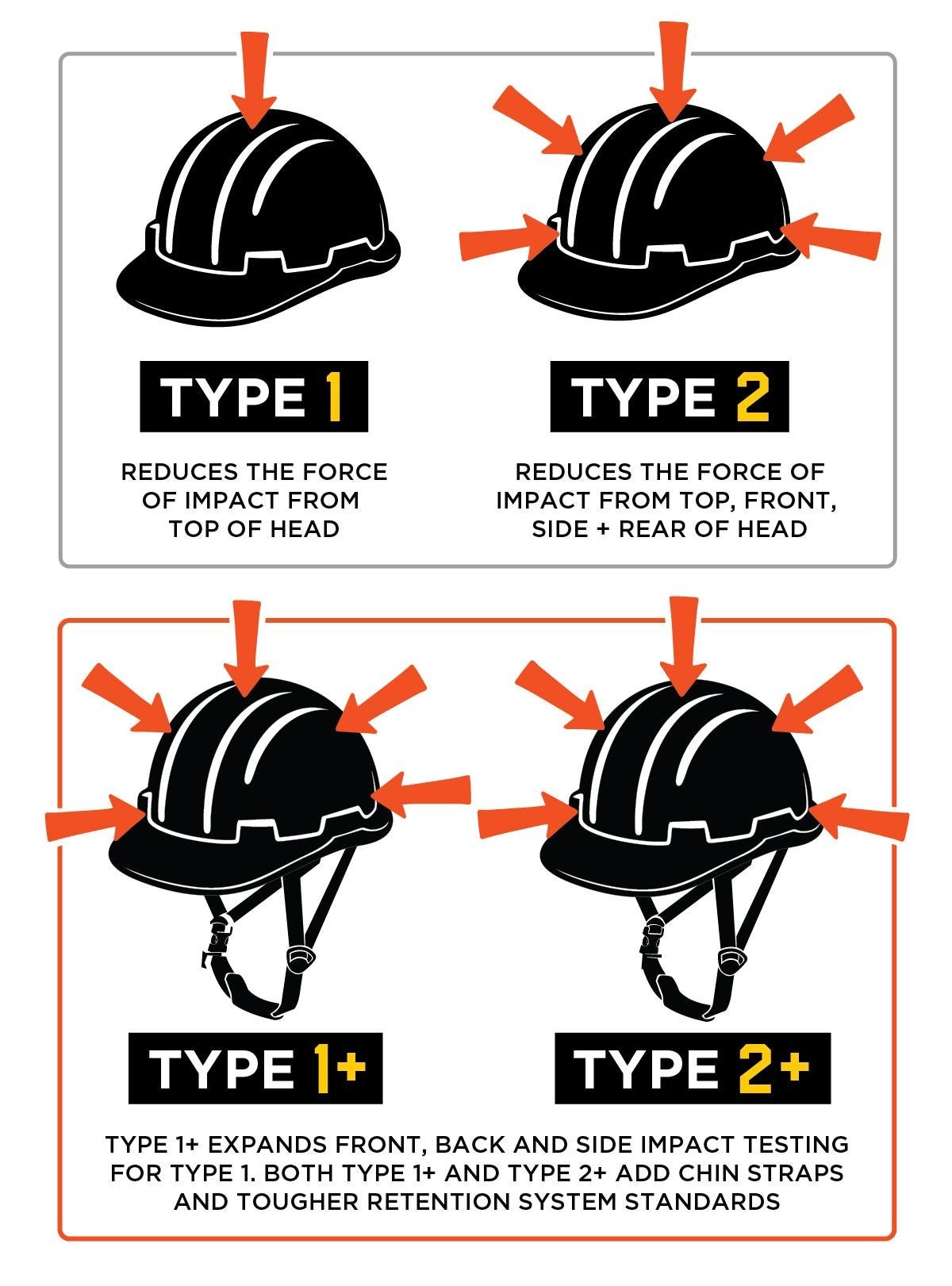
It’s important to note that Type 1 and Type 2 aren’t going away. The new designations build on the existing framework; they do not replace it. The idea behind this update is to give safety professionals additional information when selecting the right protection for specific hazards.
Here’s what safety managers, employers and workers need to know to move their crews past the flap around straps.
MORE ATTENTION TO RETENTION for both types
Impact protection doesn’t do much good if your helmet won’t stay on your noggin. That’s the thinking behind the expanded retention requirements. Type 1+ and Type 2+ head protection must include a chin strap PLUS meet standardized tests designed to evaluate the strap and the helmet’s ability to remain properly positioned.
For safety managers looking for a Type 1 or Type 2 hard hat with chin strap, that “+” now provides an easier (and standardized) way to identify products that meet these enhanced retention requirements.
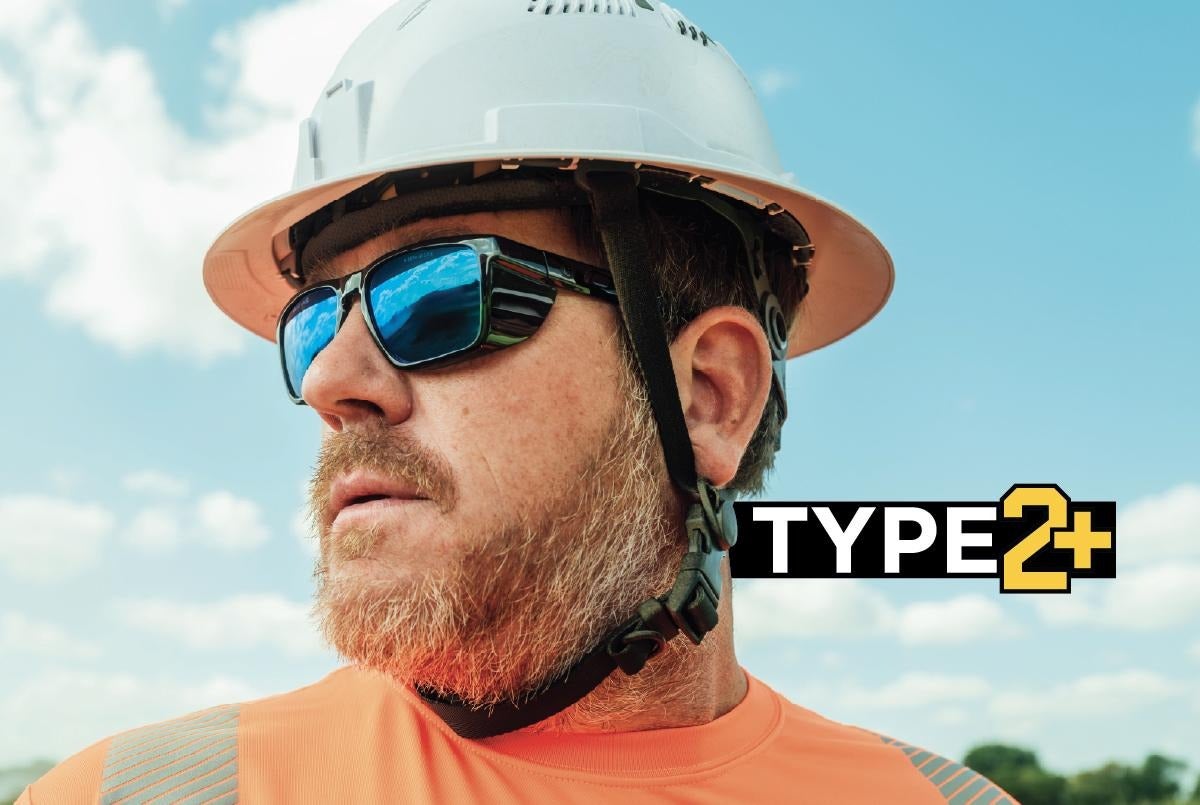
EXPANDED IMPACT TESTING FOR TYPE 1
Traditional Type 1 testing focuses primarily on impacts and hazards from above. Type 1+ adds off-center force transmission testing to the front, rear and sides.
That matters because threats and hazards don’t always come from directly above. Workers slip. They fall at odd angles. They strike structures. Impact events can come from multiple directions, and the new standard not only recognizes that—it corrects for it.
WHAT DOES THE NEW ANSI/ISEA Z89.1-2026 SAFETY HELMET STANDARD MEAN FOR SAFETY MANAGERS?
First, don’t start filling dumpsters with perfectly good Type 1 and Type 2 buckets. The updated standard doesn’t automatically make existing head protection obsolete. Instead, it provides additional classifications for employers to consider as they evaluate their particular jobsite hazards and how their head protection programs need to address them.
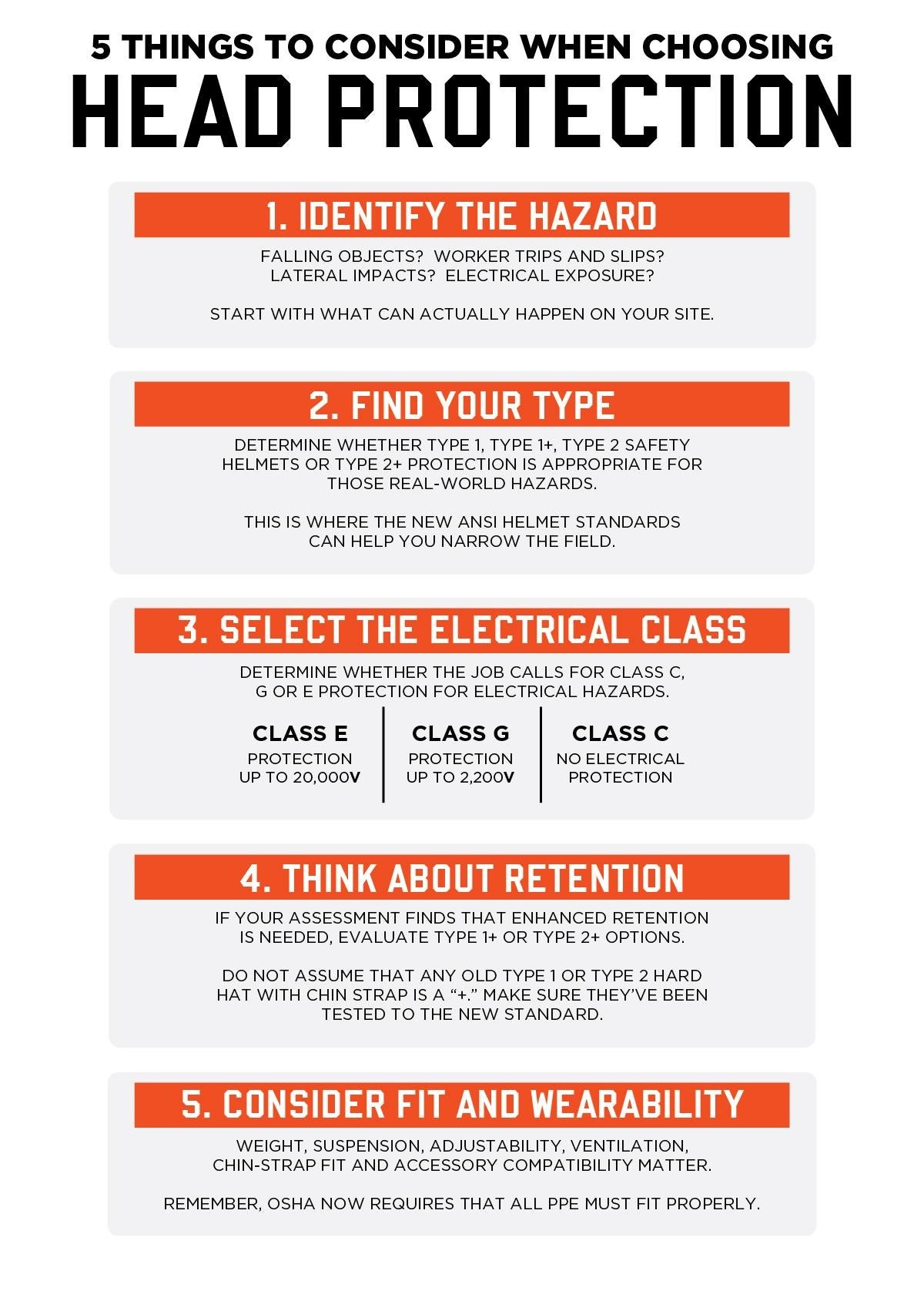
And always check the helmet markings and manufacturer information to verify the applicable standard, Type, Class and any additional designations for consideration.
THE BOTTOM LINE
The ANSI/ISEA Z89.1-2026 update doesn’t change the fundamental purpose of head protection. It expands the industry’s ability to identify gear tested specifically for additional impact and retention scenarios.
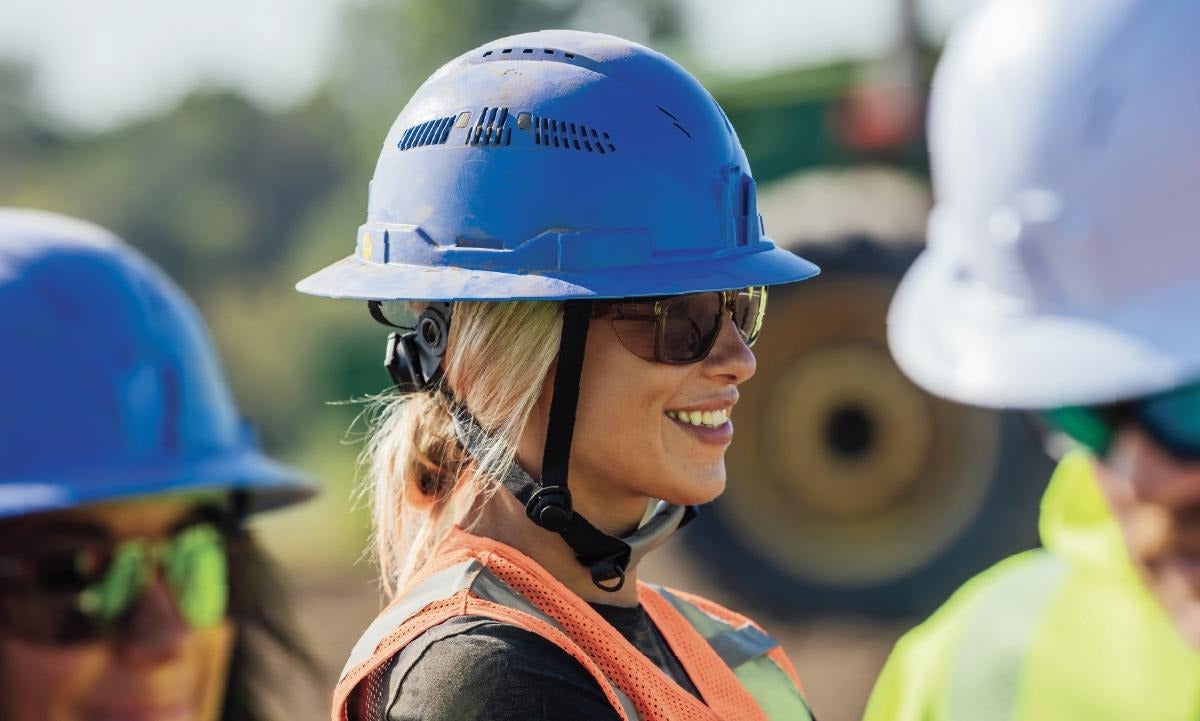
Type 1 and Type 2 remain. Type 1+ and Type 2+ add new options and expand protection. And, as always, the best choice starts with a careful assessment of the hazards workers actually face.
Because when it comes to protecting what’s between your ears, knowing what all those letters, numbers—and now plus signs—mean isn’t all that hard to wrap your head around when you really break it down.