
Breaking It Down: How Breakaway Straps Improve Workplace Safety
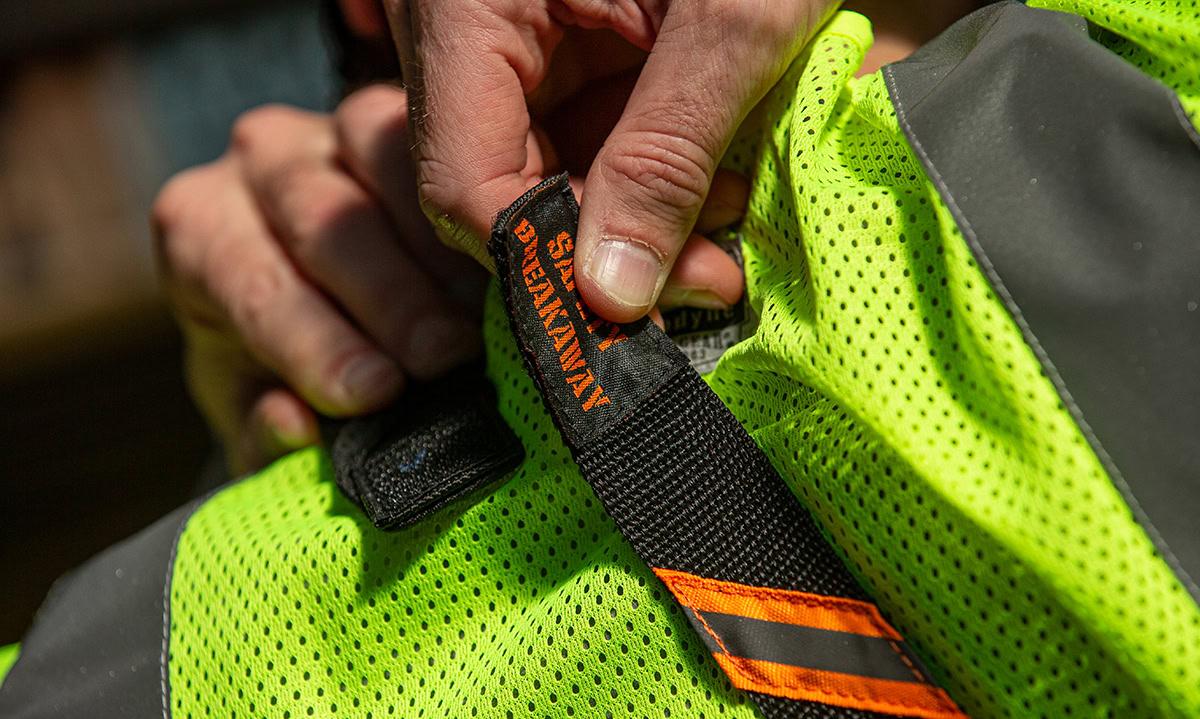
A scanner harness should make the job easier, not introduce new risks. The difference comes down to the details most people never think about.
Scanner harnesses and slings have become essential tools in many industries, helping workers keep barcode scanners and devices secure, accessible and ready for thousands of scans every day. By reducing strain, improving efficiency and allowing hands-free movement, the right harness or sling can make a noticeable difference in comfort and productivity.
So what’s the catch?
At first glance, scanner harnesses and slings may seem like a simple upgrade with no real drawbacks. But it’s important to remember that not all harnesses are created equal.
Beyond fit and convenience, some design details have a big impact on safety, even though they often go unnoticed until something goes wrong. And well, then it is too late.
What are Breakaway Straps?
Enter breakaway straps. A simple design feature intended to release if a strap becomes snagged.
Breakaway straps are a key feature on some scanner harnesses and slings. They are designed to come apart if the harness is pulled too hard or too suddenly. In busy work areas, straps or harnesses can sometimes snag on shelving, equipment or other obstacles. When that happens, the breakaway should loosen the harness or allow the harness to come away from the wearer's body.
Breakaway straps are made from strong but flexible materials that are designed to handle everyday use, while still releasing when they need to. Materials like nylon webbing and reinforced fabrics are common because they are lightweight, comfortable and durable enough for daily wear. The breakaway feature itself usually comes from closures like hook & loop fasteners, plastic buckles or magnetic connectors.
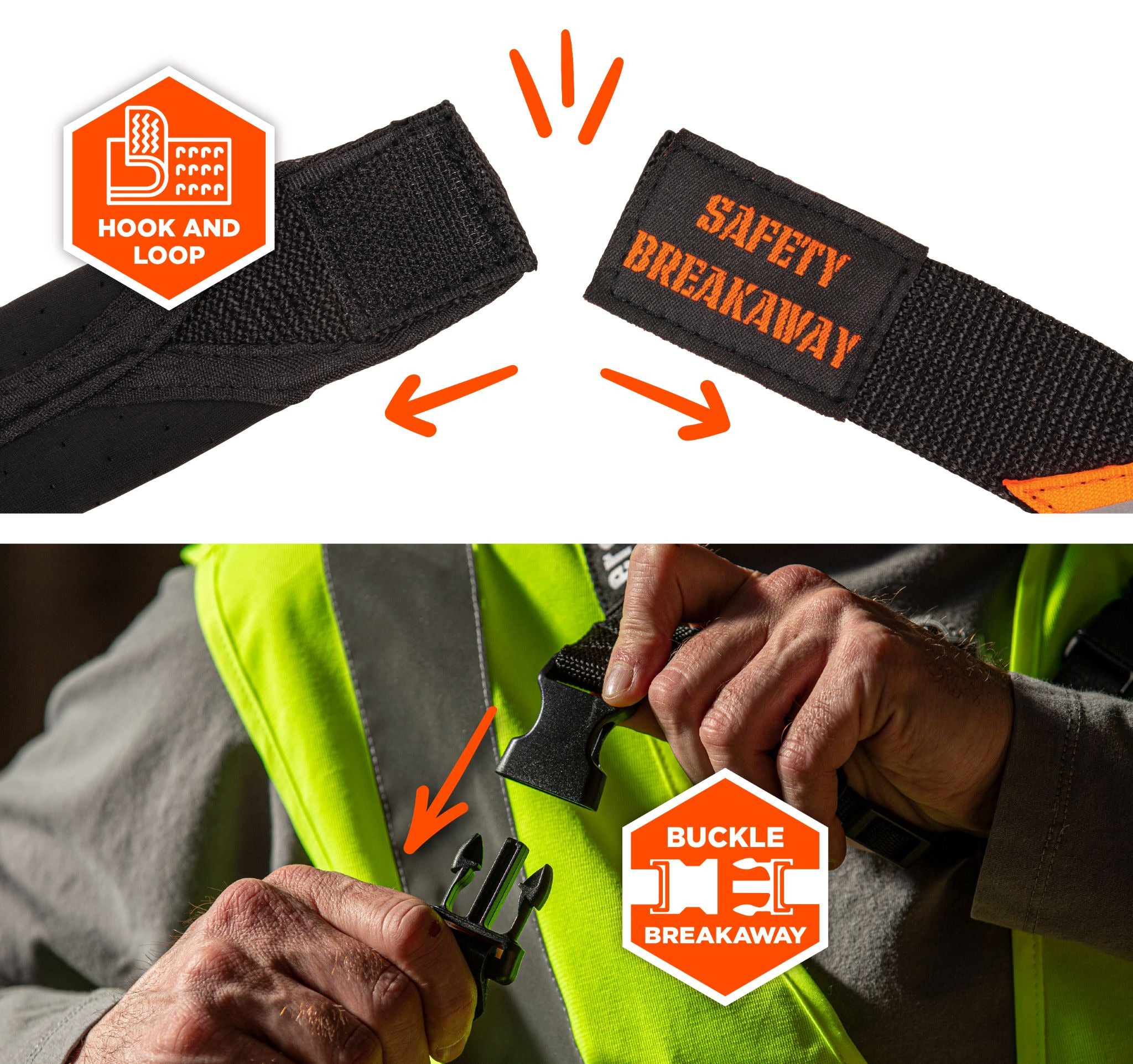
The controlled release can help reduce the likelihood of a snag incident, while still keeping the harness secure during normal movement. Adding a breakaway strap introduces a release point designed to separate if the harness is pulled or snagged without getting in the way of comfort, ease of use or productivity. It is a simple feature that makes a big difference.
Why are Breakaway Straps Important?
Breakaway straps are not just a nice-to-have. They play an important role in hazard reduction, protecting equipment and helping reduce the risk of being caught or snagged.
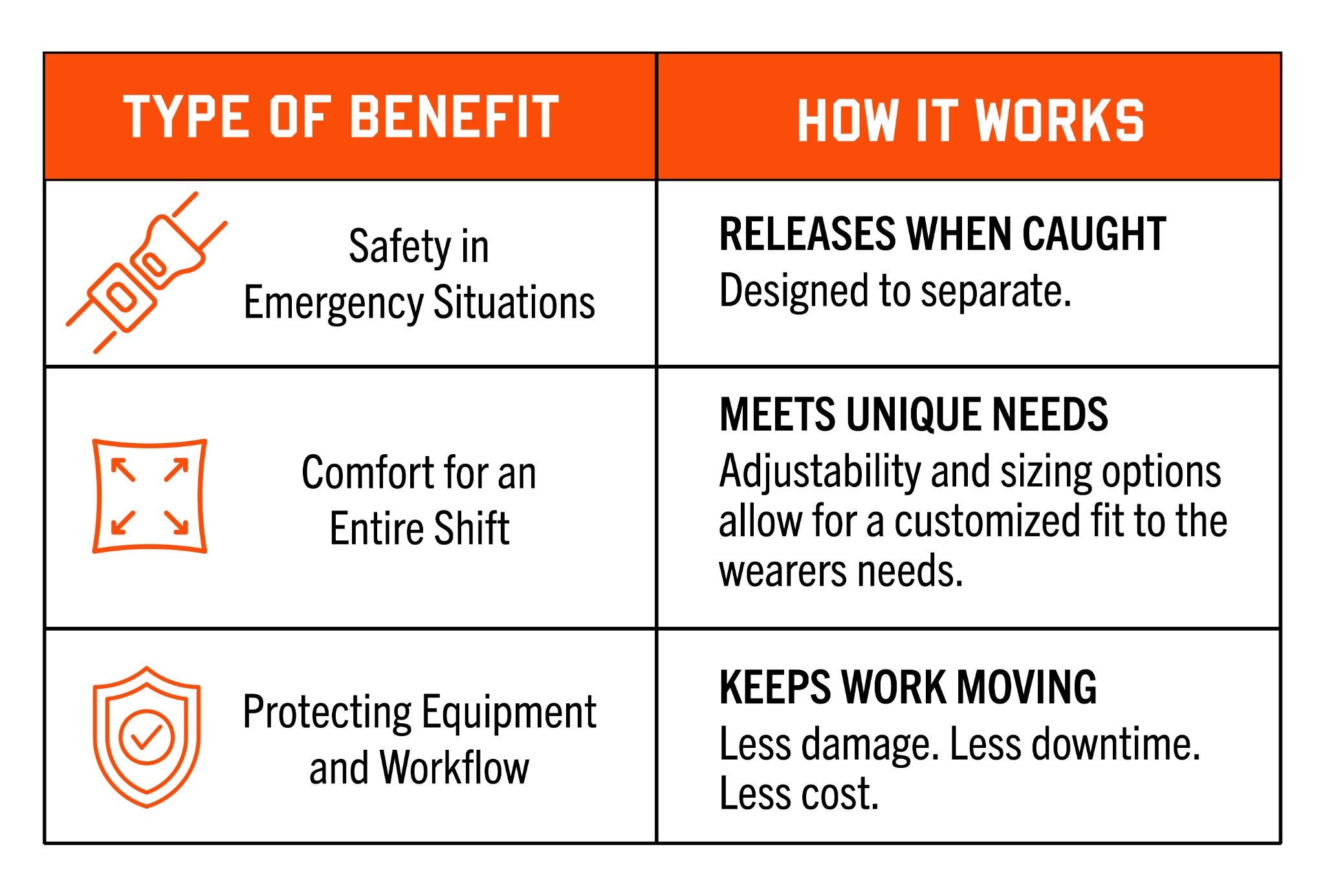
Safety in Emergency Situations
In busy warehouses or industrial settings, it is pretty common for a harness or sling to snag on shelving, conveyor belts or other objects during everyday tasks. Breakaway straps are designed to let go, acting as a built-in backup that helps reduce accidents before they become serious.
Comfort for an Entire Shift
The adjustability of scanner harnesses and slings is one of those features that might seem small, but it makes a big difference on the job in terms of comfort, productivity and safety. Adjustable straps let you position your scanner exactly where it’s easy to grab, keep the fit snug to reduce snag hazards and ensure that your gear moves with you, not against you. Whether you prefer a harness that spreads the weight across both shoulders for stability, or a sling that’s quick to put on and take off, having options means the wearer is able to customize the fit to their unique needs.
Protecting Equipment and Workflow
Breakaway straps help keep operations running smoothly by reducing disruptions. If a strap gets caught or pulled, the quick-release feature prevents the scanner from being yanked away or dropped, minimizing downtime. This means fewer interruptions, less need for replacements and a more consistent workflow, keeping productivity high and tasks moving efficiently. It’s a win-win.
Wearability, Usability and Adjustability
When it comes to scanner harnesses and slings, one size rarely fits all.
Every worker moves differently, wears different gear and has their own preferences for comfort and convenience. Adjustable straps let users dial in the right fit; tight enough to keep the scanner secure and close to the body, but still comfortable for a full shift. That snug fit doesn’t just improve comfort, it also helps reduce snag hazards by helping keep loose straps from catching on shelving, carts or equipment in busy retail and warehouse environments.
Workers often have strong preferences between harnesses and slings. Some people prefer a harness because it distributes weight across both shoulders and stays stable during constant movement, while others like the simplicity of a sling that’s quick to throw on and take off. Clothing layers can play a role too. What works well over a light shirt might feel different over a bulky jacket or hoodie.
Giving workers adjustable and customizable options helps them find the setup that fits their body, their gear and their workflow, which ultimately makes it easier to stay comfortable, safe and productive throughout the day.
Where are Breakaway Straps Needed?
In fast-paced work environments, unexpected snags happen more often than people realize. Breakaway straps are designed to release when caught. Here are two common examples of ways they reduce hazards on the job.
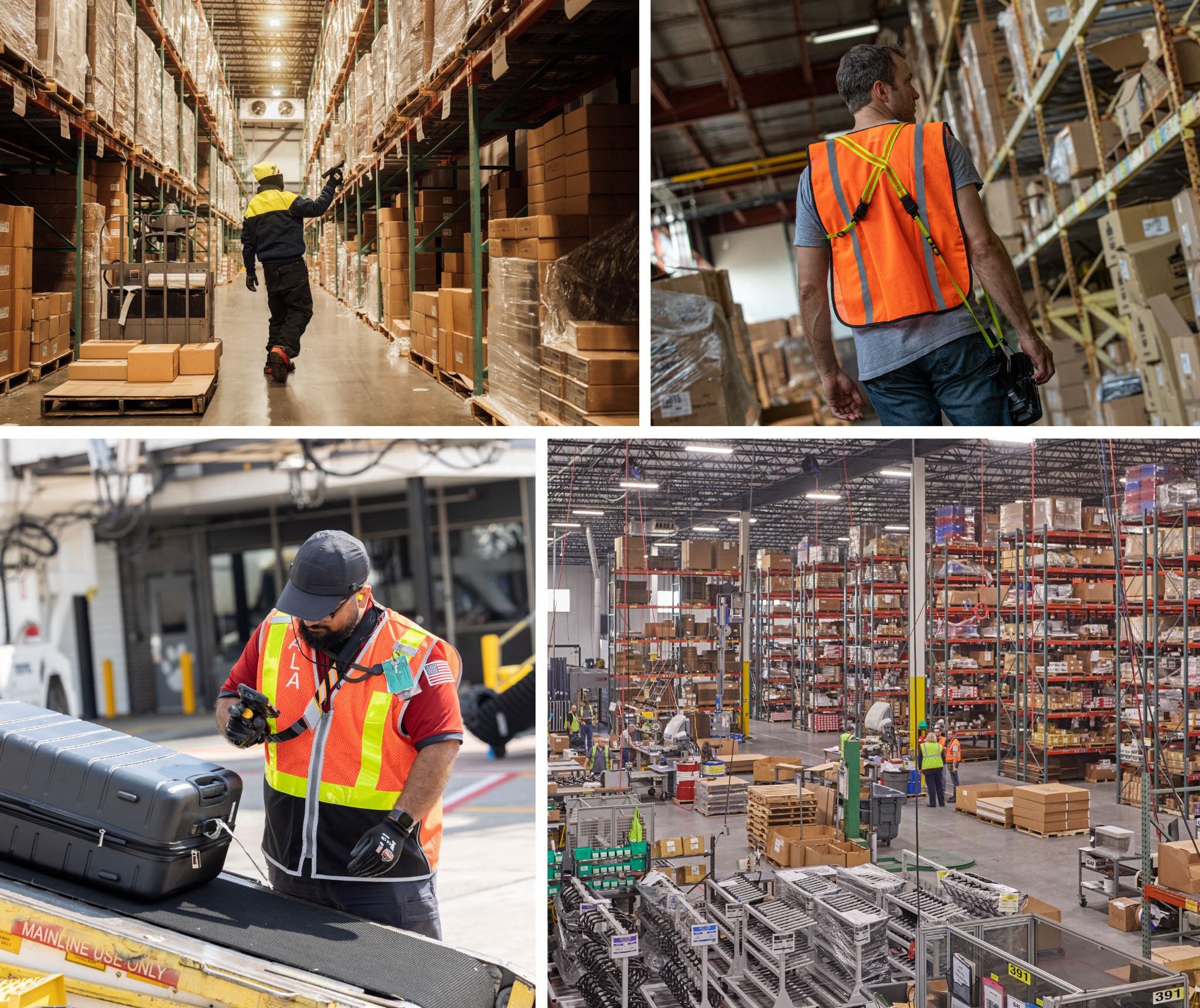
Warehouse Environment: Preventing Equipment Damage
Breakaway straps are designed to give way when things get pulled too hard—because in a busy warehouse, snags and bumps happen. Instead of transferring that force to racks, sensors or other equipment, the strap is designed to release. It's a simple design that helps prevent small mistakes from turning into big repair bills. Think of it as a built-in safety valve that keeps both your gear and your workflow moving.
Retail Setting: Improves Efficiency
Retail work moves fast. Employees maneuver down narrow aisles, restock shelves, scan items and help customers all at once. Breakaway straps on harnesses or slings help workers move quickly without worrying about getting snagged. If the strap catches on shelving, carts or stockroom equipment, it is designed to release before pulling the worker off balance or damaging nearby fixtures. This keeps tasks like stocking, ladder work and inventory checks moving without unnecessary interruptions.
When you’re moving fast and working in tight spaces, a snag is almost inevitable. Breakaway straps are there for those moments, giving you a simple, smart way to keep moving by letting go.
Choosing the Right Scanner Harness or Sling
Not all scanner harnesses or slings are created equal. Choosing the right one can improve comfort, productivity and, most importantly, reduce workplace hazards. Here are a few key factors to keep in mind when selecting the best option for a team.
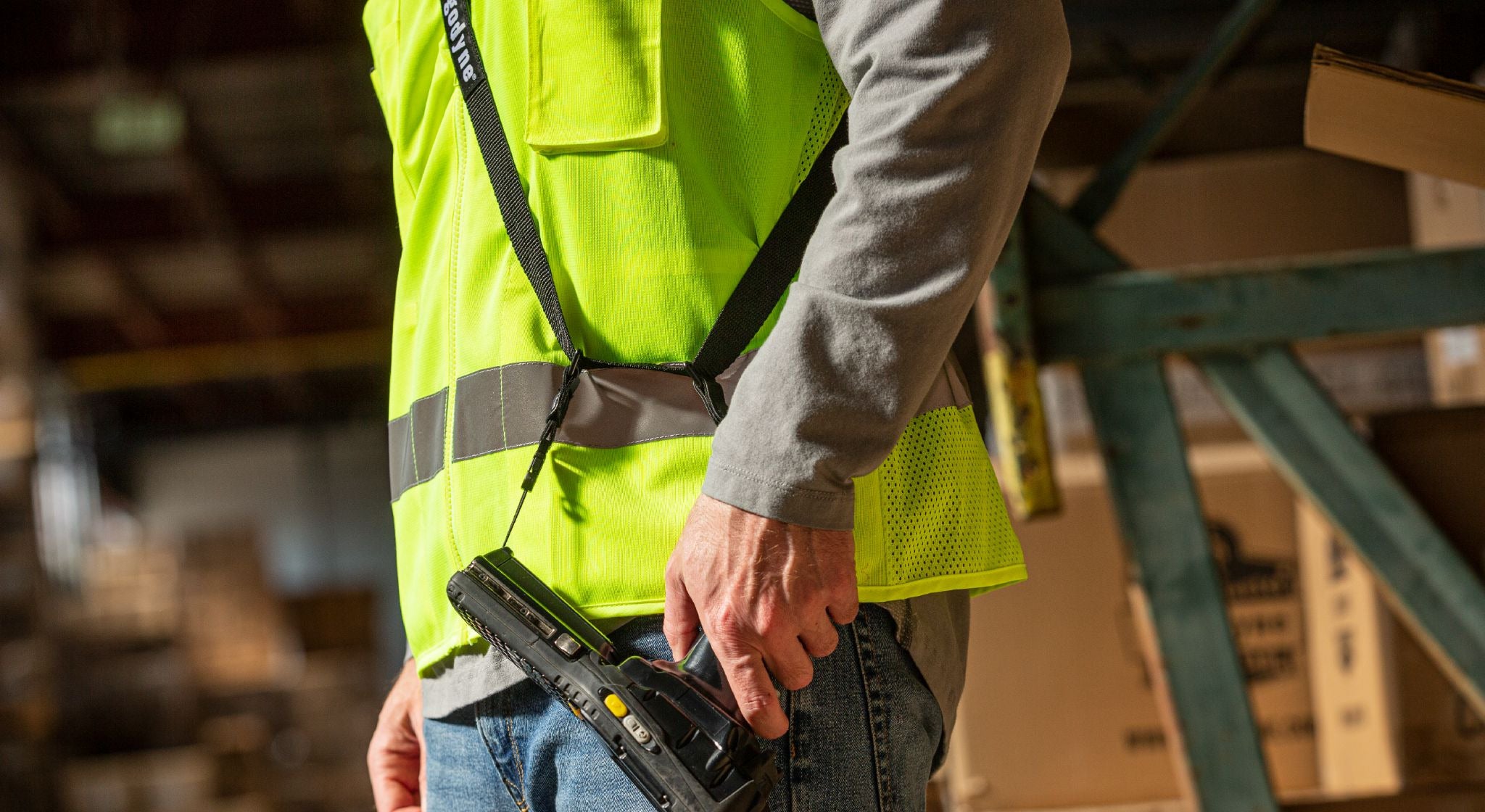
Quality Materials and Smart Safety Design
Look for harnesses or slings made from durable, high-quality materials that can withstand daily wear and tear. But don’t let durability come at the cost of safety. Straps should be secure during normal use but designed to break away when they are snagged or pulled.
Proper Fit
A harness that doesn’t fit right is just plain uncomfortable, and after a few hours, it can leave you sore and tired. Adjustable straps let each user customize the fit to their body, so your scanner stays close, easy to grab and out of the way. No awkward twisting or fumbling, just a harness that improves efficiency and comfort throughout long shifts.
Scanner Compatibility
Before committing to a harness or sling, confirm it’s compatible with the scanner models in use. A good harness should securely hold the device without blocking buttons, screens or charging ports. Compatibility across multiple scanner models can also make replacements and upgrades easier down the line.
Choose a harness or sling that finds the perfect balance of safety, comfort and compatibility. When all three line up, workers can be more comfortable and keep their tools accessible so day-to-day operations run more smoothly. Good gear just makes the job easier, without getting in the way–plain and simple.
Breakaway Strap Maintenance: What to Check and Why It Matters
Even the best breakaway straps need a little upkeep to do their job. Regular checks and basic maintenance help make sure they work the way they’re supposed to.
Check for Wear and Tear Regularly
Over time, everyday use can wear down straps, stitching and breakaway connectors. Frayed edges, thinning material, loose seams or cracked clips are all signs that a strap may not work as reliably as it should. Regular inspections, especially in high-use areas like warehouses and retail floors, help catch problems early and prevent equipment failures or safety issues.
Clean and Maintain for Long-Lasting Performance
Dirt, dust and debris can build up on harnesses and straps over time, making them less comfortable and harder to use. Cleaning straps the way the manufacturer recommends helps keep the materials strong and ensures the breakaway parts work properly. Skip harsh chemicals that can damage the fabric or connectors, and always let straps dry completely before using them again.
Replace When Necessary
If a breakaway strap has already released or shows clear signs of damage, it’s time to replace it. Using worn or damaged straps can reduce overall effectiveness.
Making inspection and maintenance part of your regular safety routine helps keep breakaway straps in working condition and ready when they’re needed.
BREAKAWAY BEYOND A SCANNER HARNESS
While breakaway straps are commonly found on scanner harnesses and slings, their safety benefits extend far beyond those products. From high visibility apparel to backpacks and everyday jobsite accessories, breakaway features are designed to help reduce the risk of dangerous snagging incidents by releasing when caught on equipment, machinery or other hazards.
Hi-Vis Vests
A staple on construction sites and other high-risk work environments, hi-vis vests help keep workers visible and protected. Models with integrated hook & loop breakaway features at the shoulders, sides or front provide an added layer of safety as they are designed to separate if the vest becomes caught on equipment or a jobsite hazard, helping reduce the risk of a dangerous hang-up.
Backpacks
Workers in transit, rail, warehouse and industrial environments often rely on backpacks to carry tools and equipment needed throughout the day. Designed with breakaway attachment points at the shoulders and waist, breakaway backpacks are intended to help reduce the risk of dangerous snag hazards.
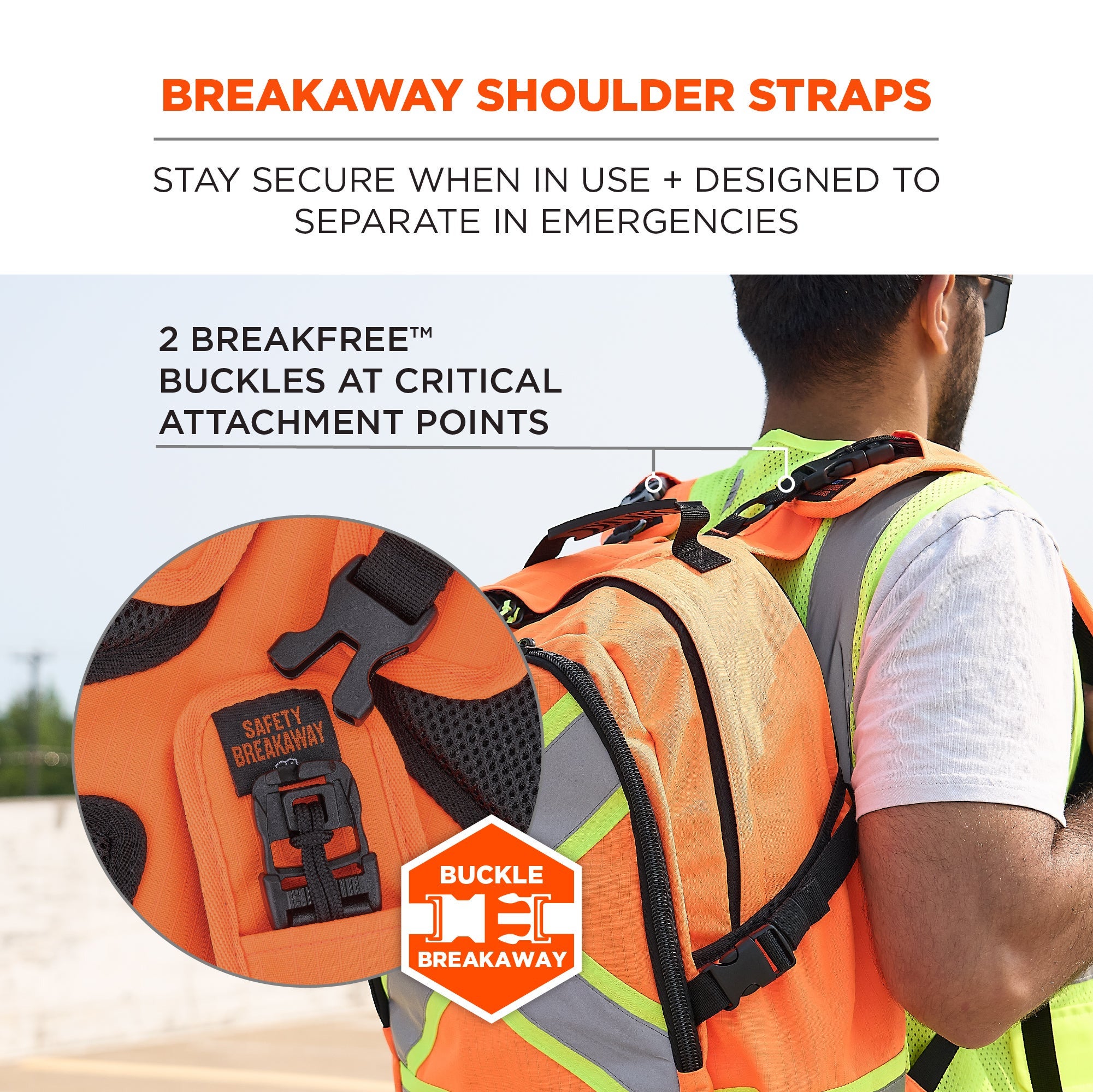
Lanyards & Glove Clips
Accessories like glove clips and eyewear lanyards help workers keep essential PPE close at hand, reducing lost gear, minimizing replacement costs and encouraging consistent use throughout the workday. But because these accessories hang from workers’ clothing, they can also create snag hazards around moving equipment or machinery. These accessories are designed to release when caught, helping reduce the risk of dangerous hang-ups while maintaining the convenience of keeping gloves and safety glasses within easy reach.
Built to Hold on, Designed to Let Go: The Power of Breakaway Straps
Breakaway straps might seem like a small feature, but on a busy jobsite, the small details matter. And when the unexpected happens—because it will—a breakaway connection is designed to release under pressure to reduce hazards and minimize equipment damage. From warehouse floors and retail aisles to transit environments and everywhere in between, it’s a simple feature designed for the realities of hands-on work.
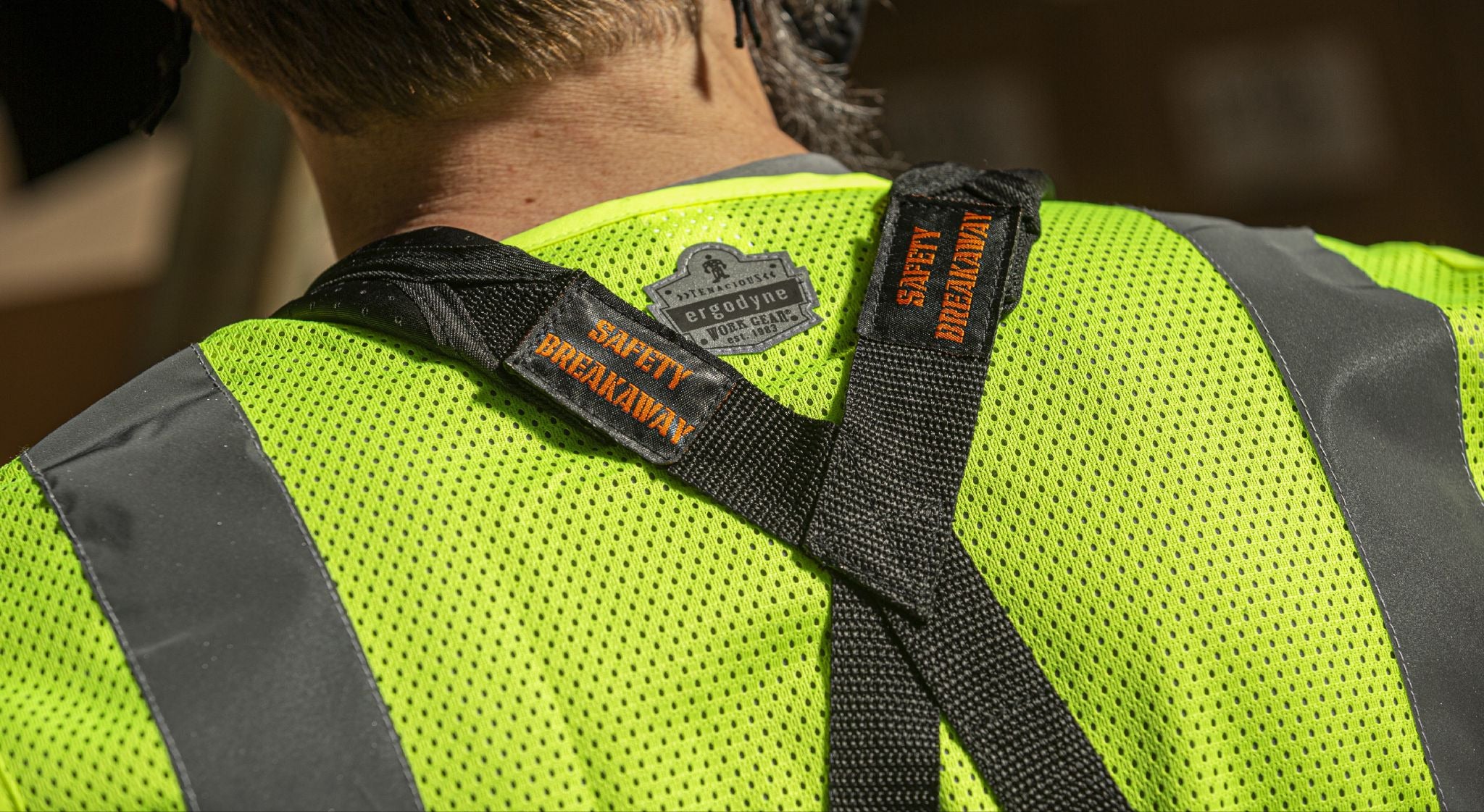
When choosing a scanner harness, sling, lanyard, backpack or vest, don’t treat safety as an add-on. Look for rugged materials that can take a beating, provide a secure and comfortable fit, compatibility and dependable breakaway performance you can trust.
Pick the gear that can keep up with the job. And of course, the ones that know when to let go.
Shop our line of Scanner Harnesses & Slings >>>
FAQ
A breakaway strap is a safety mechanism built into PPE (such as lanyards, backpacks, and scanner harnesses) designed to disconnect automatically when subjected to tension or pull force. If gear becomes caught on equipment or moving parts, the strap releases immediately to help reduce the risk strangulation, drag injuries, or being pulled into machinery.
Industries with moving machinery, tight spaces, or high-friction environments carry the highest risk for snag hazards. These include manufacturing, warehousing and logistics, construction, agriculture/forestry, waste management, and oil and gas operations.
Breakaway safety vests feature strategically placed hook-and-loop or snap fasteners—typically at five points (shoulders, sides, and front)—that split open under stress, allowing the vest to fall off while helping to keep the worker safe. Breakaway lanyards use quick-release clips or breakaway modules that are designed to separate if the lanyard is snagged by a moving part or machine component.
While OSHA does not explicitly mandate "breakaway" mechanisms in every standard, OSHA General Duty Clause requires employers to protect workers from recognized hazards like machine entanglement. Additionally, standards such as ANSI/ISEA 107 (High-Visibility Safety Apparel) recognize breakaway designs (e.g., 5-point breakaway vests) as a primary control method for workers operating near moving traffic or machinery.
Yes, most breakaway straps made with hook-and-loop fasteners or quick-release plastic snaps are designed to be reattached and reused immediately after separating, provided the fabric or mechanism wasn't physically damaged during the incident. Always inspect the gear for tears or component stress before putting it back into service.