Understanding the New ANSI/ISEA 100-2024 Bump Cap Standard and Its Impact on Worker Safety
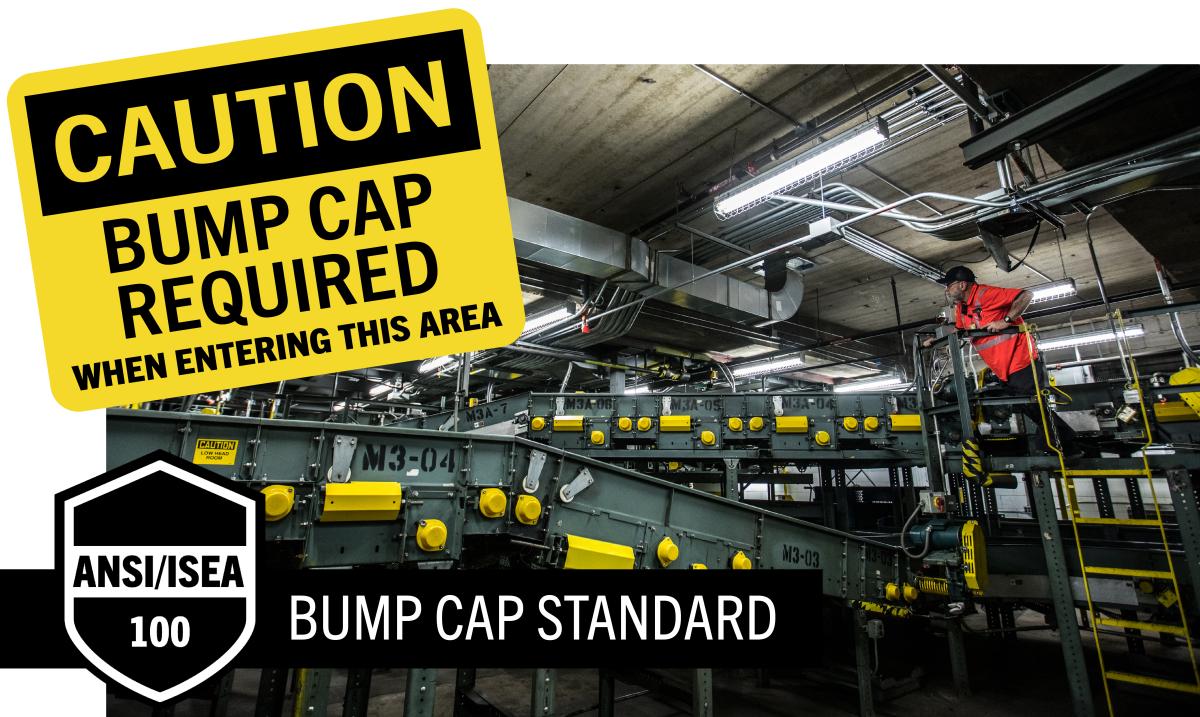
In the world of workplace safety, head protection often gets associated with hard hats—essential for protecting against falling objects and high-impact hazards. But what about environments where the risks come from low ceilings, hanging equipment, or tight spaces? For those scenarios, bump caps offer an effective solution. And now, with the introduction of a new industrial bump cap standard, safety professionals have a new tool to address a critical gap in workplace head protection.
What is a Bump Cap?
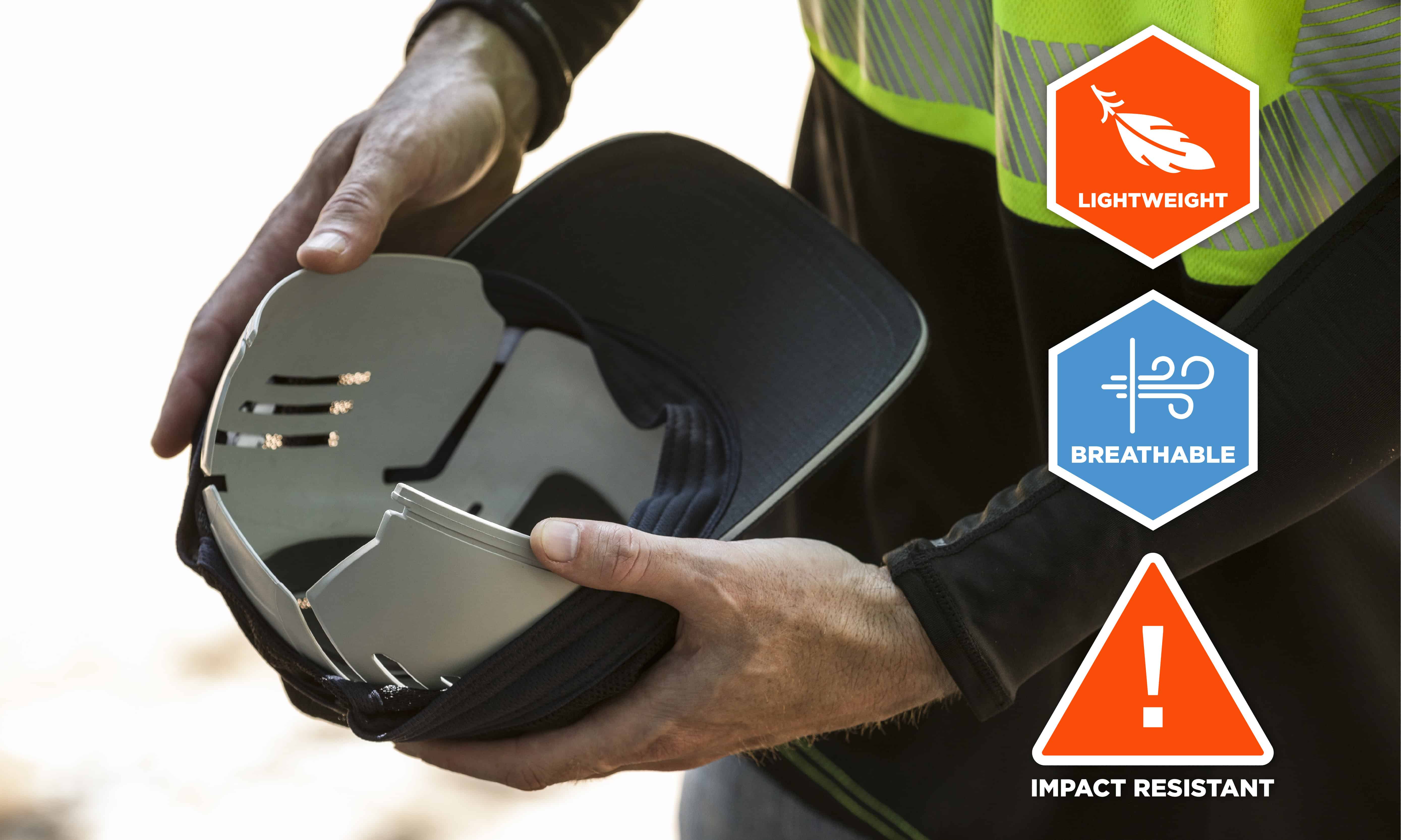
Unlike hard hats, bump caps are designed to protect workers from minor head injuries caused by stationary objects, like low-hanging pipes, beams, or equipment. Built around a padded, impact-resistant plastic shell, bump caps are lighter, more comfortable, and often resemble a basic baseball cap.
Check out this quick explainer on the differences between bump caps and hard hats >>>
Applications of Bump Caps
Bump caps are particularly useful in environments where hard hats might be overkill, but the risk of head injuries still exists.
Common applications include:
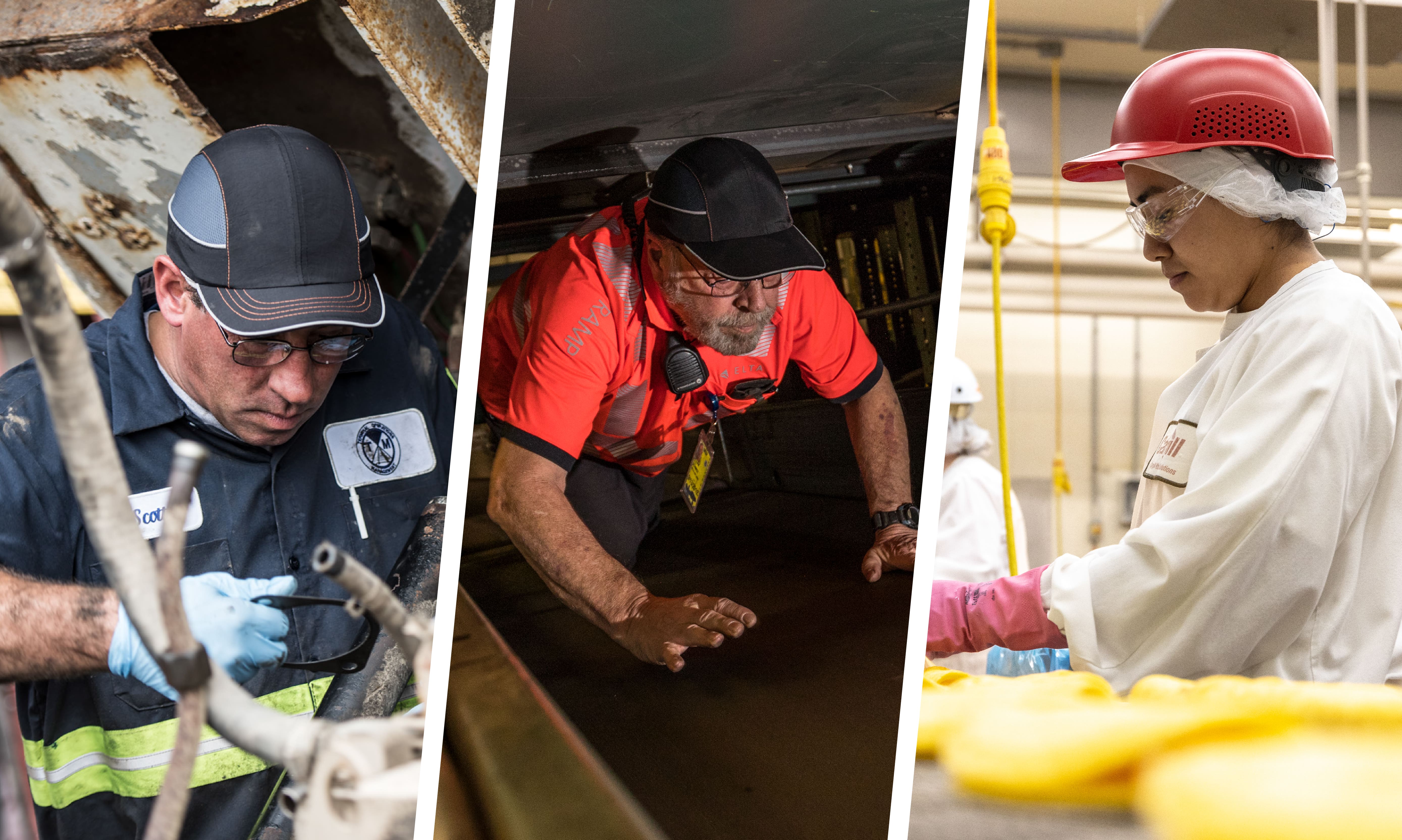
- Mechanics working under vehicles or in tight spaces.
- Airline workers navigating within aircraft holds or maintenance areas.
- In-home service employees, such as cable or appliance technicians, working under sinks or in crawl spaces.
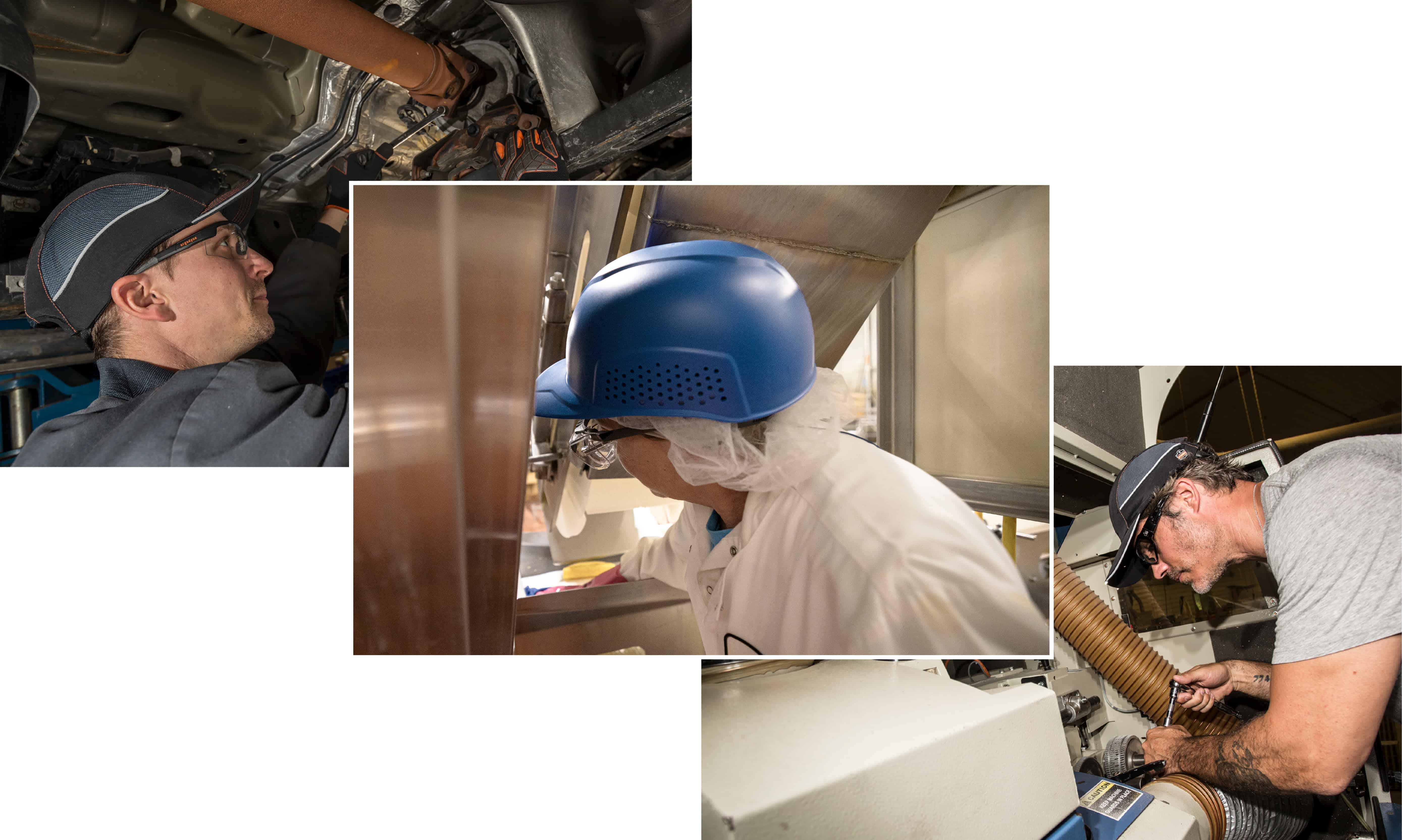
- Manufacturing and assembly line workers exposed to low-hanging machinery or shelves.
- Food processing workers operating in environments with confined spaces.
While bump caps are not suitable for areas where hard hats are required, they provide critical protection against worker-generated impacts, preventing nasty cuts and bruises.
What Does the Bump Cap Standard Cover?
ANSI/ISEA 100-2024 represents the first U.S.-specific benchmark for bump caps. Until now, manufacturers relied on the European EN 812:2012 standard, which had limitations, particularly regarding universal bump cap inserts.
- Impact and Penetration Resistance: Clear performance requirements ensure bump caps can handle everyday hazards, such as bumps against stationary objects.
- Comfort and Fit: The standard emphasizes features like size adjustability and secure fit, encouraging workers to wear bump caps consistently.
- Design Flexibility: The standard accommodates various styles, including cap-style bump caps and universal inserts that can fit into baseball caps or other headwear.
While not enforceable by OSHA, this voluntary consensus standard provides a comprehensive guideline for manufacturers and safety professionals for practical protection against head injuries in applications where hard hats are not required.
Why the ISEA 100 Standard Matters
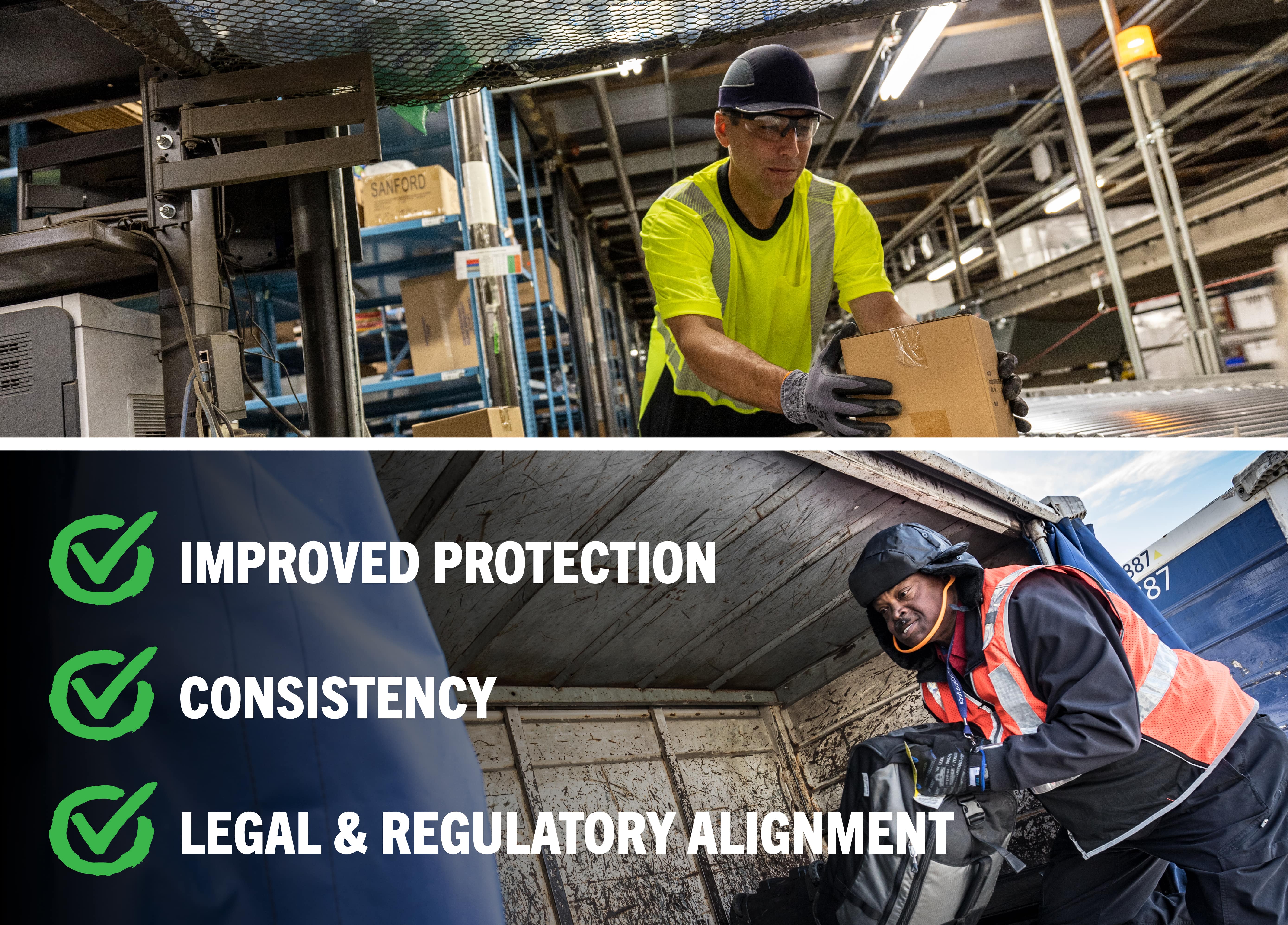
Improved Worker Protection: Head injuries, even minor ones, can result in significant downtime, medical expenses, and discomfort. By standardizing bump cap performance, ANSI/ISEA 100-2024 ensures better protection for workers against those largely ignored incidents.
Consistency Across Industries: The new standard helps safety managers evaluate and select bump caps confidently, knowing they meet rigorous performance criteria.
Legal and Regulatory Alignment: Although OSHA doesn’t currently mandate bump caps, compliance with the ANSI/ISEA 100-2024 demonstrates a proactive commitment to workplace safety.
How to Choose the Right Bump Cap
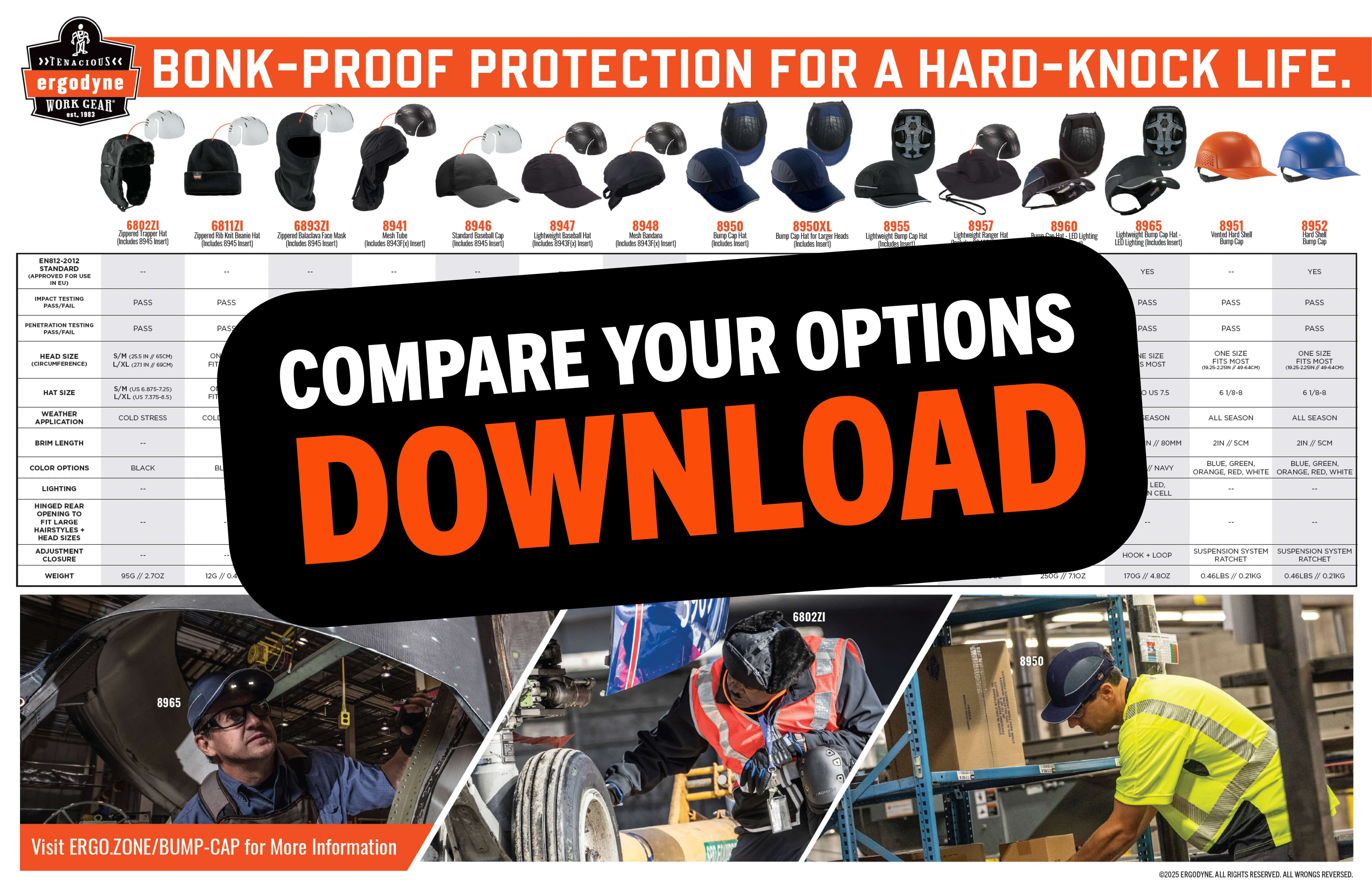
Selecting the right bump cap under the new standard involves considering several factors:
- Job-Specific Requirements: For example, mechanics might benefit from caps with shorter brims to improve visibility in tight spaces.
- Comfort and Fit: Features like padded foam, venting, and adjustable sizing enhance comfort for all-day wear.
- Additional Features: Many bump caps include options like hands-free LED lighting or micro brims for added utility.
- Universal Inserts: For workers already wearing uniform caps, inserts are a practical way to incorporate head protection without requiring a separate hat.
The new standard also groups bump caps into two different levels, Level 1 and Level 2, each with their own specific testing requirements. The gist: Level 2 bump caps offer better protection against more force at a greater distance. But if you're into the science-y jargon, here goes:
- Level 1 bump caps are tested for penetration at the apex and a force transmission equivalent to 7.5 J at a single point on the front and at a single point on the back of the crown.
- Level 2 bump caps are tested for penetration at the apex and a force transmission equivalent to 12.5 J at two points on the front and at two points on the back of the crown.
As shared in ISEA's press release announcing the new measure, the standard includes "detailed guidance on instructions and marking, specifying that each bump cap shall be accompanied by manufacturers’ instructions explaining the application(s) of use, proper method of size adjustment and fitting (including, if applicable, reverse wearing) and, guidelines for care and inspection."
That's great news for safety pros looking to gain a little clarity.
Hello, I'm Justin Schutz, Product Manager here at Ergodyne for Head and Face Protection. I'm here today to talk about bump caps, which are more relevant than ever with a brand new standard released in January of 2025. ANSI/ISEA 100 is the first bump cap standard for the US market. It establishes a consistent guideline for classification, including test procedures and performance requirements for bump caps.
And it aims to reduce injuries caused by head impacts with stationary objects. Ergodyne started selling bump caps in 2013. There were other companies offering bump caps prior to that, but bump caps haven't been around for over a century the way hard hats have. According to the Bureau of Labor Statistics, of the 78,000 head injuries requiring a day away from work every year, only a small percentage happened on job sites where hard hats are required.
This means there's a huge opportunity to improve worker safety and reduce head injuries. Head protection often gets associated with hard hats, which are essential for protecting against falling objects and high impact hazards. But what about environments where the risk comes from low ceilings, hanging equipment or tight spaces? The solution there is bump caps.
Unlike hard hats, bump caps are designed to protect workers from minor head injuries caused by stationary objects like low hanging pipes, beams or other equipment. Built around a padded impact-resistant plastic shell, bump caps are lighter and more comfortable than hard hats, and they can often resemble a basic baseball cap. While bump caps are not suitable for areas where hard hats are required, they do provide critical protection against worker generated impacts, preventing nasty cuts and bruises. Let's go over a few things to consider when choosing a bump cap.
First, think about the job specific requirements. For example, mechanics might benefit from caps with shorter brims to improve visibility in tight spaces. You also want to consider comfort and fit features like padded foam, venting and adjustable sizing, which enhance the comfort for something you might be wearing all day. Some common applications for bump caps include mechanics working under vehicles or in tight spaces.
Airline workers navigating within aircraft holds or maintenance areas. In-home service technicians, such as cable or appliance employees, as well as those working under sinks or in crawl spaces. Manufacturing and assembly line workers who are exposed to low hanging machinery or shelving. And also food processing workers operating on fast moving lines and schedules as tight as the spaces they're in.
Ergodyne has a wide offering consisting of both textile and hard shell bump caps. Textile based bump caps have traditionally looked very similar to jockey caps, while more recent market introductions include baseball hat styles. In the case of both hardshell and textile based bump caps, there can be value in short or micro brim designs that allow more complete upward visibility and fit closer to the head to reduce the chance of interference with your surroundings when working in tight spaces. Like hard hats, bump caps have evolved over time to improve user experience, with higher levels of comfort, style, options and protection.
In addition to our wide selection of integrated solutions, Ergodyne also offers universal inserts. The beauty of an insert is that they allow a wide variety of headwear to be retrofitted with bump cap level protection. This includes winter beanies, trapper hats and bandanas. Head coverings like hijabs, even things like straw sun hats and turbans can be compatible with universal inserts.
Our patented trimmed to fit design allows you to easily trim with household scissors into smaller or unusually shaped headwear with the perfect fit. You simply trim along the marked line using household scissors and you can more easily fit the insert into a smaller hat. Now I'm going to highlight some of our newest innovations in bump caps. Our newest insert, the 8943FX, features a hinge design which allows hair to escape and lay flat, offering a non-bulky fit.
We've incorporated this design into specialized textile based bump caps such as the 8941, which features a tube to keep hair contained and out of the way. And the 8948, which is our most minimal style bump cap, mimicking how a bandana is worn while still accommodating the protection offered by the insert. We also offer this insert with a lightweight, breathable baseball style cap, as well as a ranger style sunhat for extra shaded protection. Our 8955 lightweight bump cap features a removable, washable and antimicrobial foam that allows additional airflow and helps keep sweat out of the eyes.
It is made from lightweight and breathable materials to maximize airflow, and it comes in three brim sizes that let you choose the look and feel that is right for your job. The micro brim offers upward visibility, while the long brim is great for blocking sun and bright overhead lighting. The short brim length offers the perfect combination of upward visibility and shade. All styles are available in black, navy and hi-vis lime.
We also offer this in a short or long brim style with button cell battery-powered LED lights. And now it is also available in both micro and long brim, featuring a USB rechargeable light puck. This is our first micro brim lighted bump cap. Our lineup with thermal bump caps utilize a zippered insert to keep your head warm, and the bump cap insert firmly in place.
We offer the trapper hat, a balaclava and two styles of winter beanies. And finally, our hardshell bump cap may look somewhat similar to a hard hat with the plastic shell, but they have a traditional strap style suspension but lower profile, lighter, and with obviously thinner gauge and less rigid shells. Our Ergodyne hardshell bump cap comes in both vented and unvented versions. They have a durable, easy to clean polyethylene shell and interior ventilated suspension system with removable sweatband.
A pivoting ratchet with large tabs for easy size adjustment, and the scoop sides are compatible with hearing protection. In both the vented and unvented versions. They're available in six colors: red, blue, green, orange, white and yellow. And with that, now you know a little bit more about bump caps and what we offer here at Ergodyne.
Who Should Consider Bump Caps?
Bump caps are ideal for industries where workers operate in confined or low-clearance areas. Examples include:
- Transportation and warehousing workers handling materials in tight spaces.
- Service technicians performing repairs under sinks or inside attics.
- Manufacturing workers exposed to overhead machinery or storage systems.
- Employers in these industries should assess their workplaces and identify opportunities to implement bump caps as part of a comprehensive safety program.
The introduction of the ANSI/ISEA 100-2024 Bump Cap Standard marks a major advancement in workplace safety, providing manufacturers and safety professionals with a benchmark for reliable, comfortable, and effective head protection.
Safety managers should review their head protection protocols and consider where bump caps make sense. By doing so, they can enhance safety, reduce injuries, and create a more productive work environment.
IT'S A HARD KNOCK LIFE
Head injuries don't just happen in hard hat zones. From auto shops to crawl spaces, nasty cuts, scrapes and ER bill$$$ abound. Luckily, you have a lot of options to help soften the blow.

Please Note! Ergodyne performed preliminary testing throughout the development of this standard and we expect all our bump caps will be compliant, though that is not yet official. Now that the standard is published, its complete requirements have been sent to our lab for final testing. Once complete, we will begin labeling our bump caps as compliant. Newly labeled product will arrive as our inventory turns over. It's worth repeating that this is a voluntary consensus standard not currently adopted by any federal agencies. Rest assured that Ergodyne bump caps purchased prior to labeling will continue to offer vital protection rooted in long-standing best practices for design and performance testing (much of which is included in the new standard). For additional questions and updates, please contact support@ergodyne.com.